









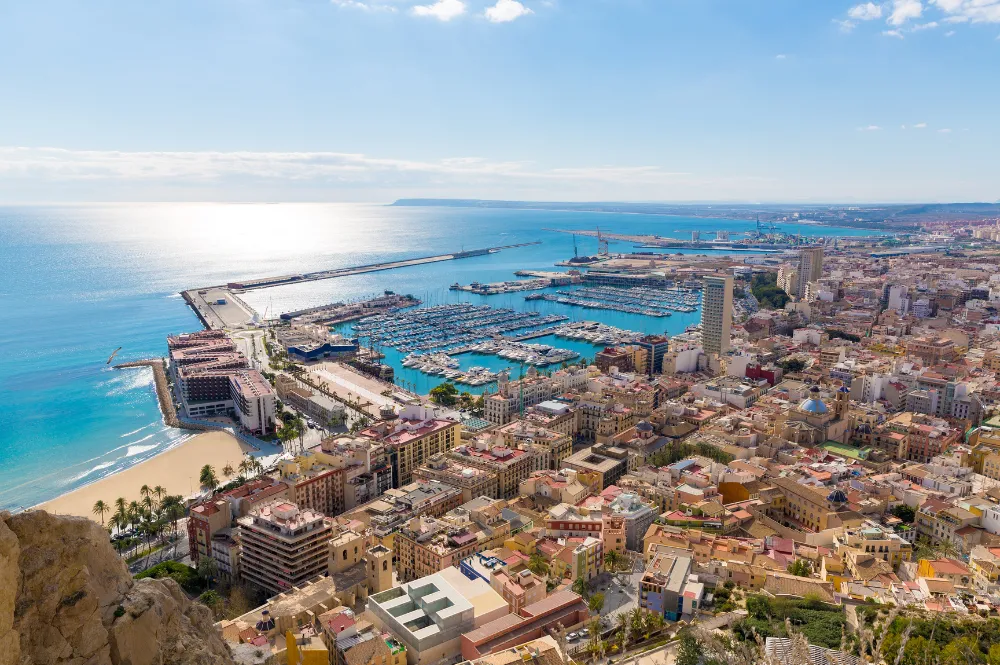
You will visit the most beautiful points of interest in Alicante






Two days to discover Alicante: a tailor-made itinerary
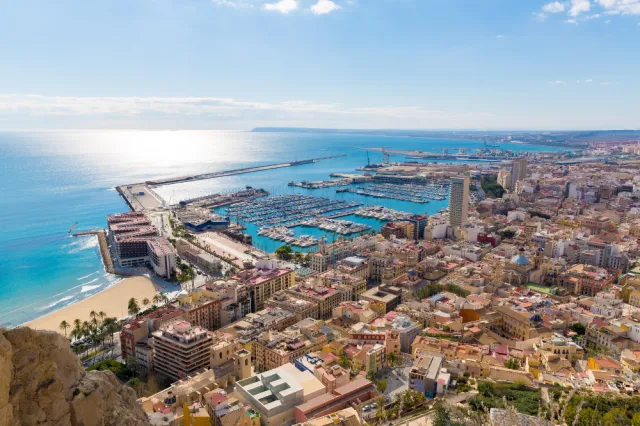
Starting at the Plaza de la Montañeta and ending the visit with your feet in the sand at the Playa del Postiguet is a simple promise: enjoy a human-scale city where history, neighborhood life and the sea touch. In two days, you will have time to feel Alicante's pulse, stroll along the Paseo de la Explanada, rise to the Castle of Santa Barbara and taste local flavors at the Central Market.
This guide is designed to be practical and warm: a detailed day-by-day itinerary, accommodation tips, tips for getting around and tasty ideas. I have organized the visits to minimize back-and-forth and leave room for coffee breaks, contemplation and the unexpected that make a weekend memorable. Expect shaded alleys, lively squares and sea views from the castle.
Throughout the sections you will also find practical recommendations: where to stay according to your desires, what is best to book in advance and what to bring depending on the season. I mention local experiences that are a little off the beaten path — small strolls, markets and a playful activity to make your stay more dynamic.
If you prefer a slower pace, adapt the itinerary: spend more time at the market or extend the afternoon on the beach. The idea is to stay curious and leave room for the unexpected. Have a great stay in Alicante — let yourself be carried by the vibe, the colors and the scents of the coast.
Day-by-day summary
Day 1 — Morning: Start at the Plaza de la Montañeta to feel the morning atmosphere, then head to the lively Plaza de los Luceros before admiring the facade of the Alicante Provincial Palace. These three stops set the urban and historical frame. In the afternoon, take time to wander the nearby streets, discover cafés and end the day near the seafront if you wish.
Day 2 — Morning: Immerse yourself in the atmosphere of the Alicante Central Market, then discover the Teatro Principal and the Fogueres Museum. Stop by the Casa consistorial before climbing to the Castle of Santa Barbara for panoramic views. Afternoon: head back to the Cathedral of Saint Nicholas of Alicante, the Plaça del Portal d'Elx and stroll along the Paseo de la Explanada before concluding your itinerary at the Postiguet Beach. Plan for tasty breaks and time to watch the sunset.
Day 1
7 stops
Morning
-
1
Co-Cathedral of St. Nicholas of Bari
Religion · 30 min
- The Co-cathedral of St.
- Nicholas of Bari was built between 1616 and 1662 over a former mosque.
- Its design is in the Herrerian Renaissance style, standing out for its sobriety and elegance, with Baroque elements in its interior decoration.
- Highlights its dome, which reaches a height of 45 meters, and its high altar, decorated with marble and jasper.
- The church houses numerous chapels, being remarkable the Chapel of the Communion, considered a jewel of the Spanish baroque.
- The temple was elevated to the category of co-cathedral in 1959.
© Wikimedia Commons
-
2
Paseo de la Explanada
Gardens and parks · 1h
- The Paseo de la Explanada is one of the city's best known and most emblematic promenades. It is approximately 500 meters long and lined with palm trees on both sides.
- Its mosaic design combines more than six million tesserae of white, red and blue marble.
- Along the promenade are numerous modernist-style kiosks selling handicrafts and souvenirs.
- It is a popular place for strolling, both day and night, and frequently hosts cultural events and local festivities.
© Wikimedia Commons
-
3
Plaça del Portal d'Elx
Landmark · 45 min
- El Portal de Elche is a central square of the city.
- El Portal de Elche was one of the historical access gates to the city, as part of the ancient defensive walls. It is characteristic of its trees, with four large Ficus macrophylla that are protected by law as their trunks exceed a perimeter of 6 m and a height of 1.30 m from the base.
© Wikimedia Commons
-
4
Casa consistorial de Alicante
Forrest · 45 min
- The Alicante City Hall building was built in the 18th century in Baroque style.
- Originally, it housed the merchants' market and the city's grain warehouse.
- In the 19th century, reforms were carried out that gave it a neoclassical appearance, including a clock on its main facade.
- During the 20th century, it underwent several modifications and restorations to adapt to the municipal administrative needs.
- Inside, the plenary halls and the blue room stand out, decorated with works of art and historical furniture.
© Wikimedia Commons
-
5
Fogueres Museum
45 min
- The Museu de Fogueres exhibits documents, costumes and photographs about the history of Les Fogueres de Sant Joan since 1928.
- Les Fogueres de Sant Joan were declared Fiesta of International Tourist Interest in 1983 and Intangible Cultural Interest in 2013.
- The museum highlights the Ninots Indultats, figures saved from the fire by popular vote due to their artistic beauty.
- The aim of the museum is to provide visitors with a complete understanding of the importance and appeal of these festivities.
Afternoon
-
6
Mercado Central de Alicante
Forrest · 45 min
- The Alicante Central Market is an eclectic style building with Valencian modernism embellishments, built in the early twentieth century. It was designed by architect Francisco Fajardo Guardiola in 1915 and completed by Juan Vidal Ramos in 1922.
- The building has a rectangular floor plan with a rotunda on the southwest corner and another access on the street of Captain Segarra.
- The structure is organized in three basilica-type naves, with stalls grouped in long blocks.
- The construction is made of laminated steel, with sloping roofs for adequate zenithal lighting and brick facades.
- During the Spanish Civil War in 1938, the market was bombed, resulting in the deaths of more than three hundred people.
© Wikimedia Commons
-
7
Teatro Principal
Landmark · 45 min
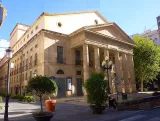
- The Teatro Principal is the most important theatrical building in Alicante, located in Ruperto Chapí square. It was built between 1846 and 1847 in neoclassical style by architect Emilio Jover Perrón. Inaugurated on September 25, 1847 with the performance of the romantic drama "Guzmán el Bueno" by Antonio Gil de Zárate. Partially destroyed during the Civil War in 1939, it was restored between 1939 and 1941 by architect Juan Vidal Ramos. .
© Wikimedia Commons
Day 2
5 stops
Morning
-
8
Plaza de la Montañeta
Gardens and parks · 1h
- The Plaza de la Montañeta is a central square of the city, known for hosting the nativity scene of the town hall during Christmas.
- Around the square are located important administrative headquarters of the Government of Spain.
- Previously, in the place where the square is located, was the hill of San Francisco, popularly known as La Montañeta.This hill, which was up to twenty meters high and included mills and several towers erected during the Spanish War of Independence.
- Formerly occupied by the convent of San Francisco, the square now includes the parish church of Nuestra Señora de Gracia.
© Wikimedia Commons
-
9
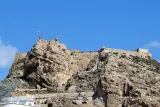
Santa Bárbara Castle
Landmark · 45 min
- The Castle of Santa Barbara is a fortification of medieval origin that dominates the city from an elevation.
- Its strategic location allows panoramic views of much of the maritime and terrestrial environment.
- Archaeological remains have been found that suggest human occupation since the Bronze Age.
- During the Muslim domination, it was known as "La Atalaya" and was later reinforced by the Christians after the conquest of the city.
- In the 16th century, major expansion and modernization works were carried out under the reign of Philip II.
- Today, the Castle of Santa Barbara is an important tourist and cultural attraction, hosting historical events and exhibitions.
© Wikimedia Commons
-
10
Postiguet Beach
Landmark · 45 min
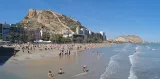
- Postiguet Beach is one of the most emblematic and visited beaches in the city.
- The beach has services such as beach bars, umbrellas and sun loungers for rent, as well as showers and changing rooms. It is frequented by both tourists and local residents, especially during the summer season.
- From Playa del Postiguet you can enjoy stunning views of Santa Barbara Castle and the city skyline.
© Wikimedia Commons
-
11
Palacio Provincial de Alicante
Palaces · 45 min
- The Provincial Palace of Alicante is an emblematic building of the city, built in the twentieth century in neoclassical style by the architect José Guardiola Picó.
- Its construction corresponds to a work of neoclassical style and baroque ornamentation, giving great importance to symmetry order. The garden houses sculptures in memory of illustrious personalities of the province of Alicante.
© Wikimedia Commons
-
12
Plaza de los Luceros
Gardens and parks · 1h
- The Plaza de los Luceros (in Valencian: Plaça dels Estels) is one of the most emblematic of the city.
- The fountain, called "Levante" by Daniel Bañuls Martínez, was built between 1930 and 1931, symbolically representing the Spanish Mediterranean coast with celestial and terrestrial elements.
- The fountain was built with a mixture of marble sand and white cement, not using the traditional materials of sculptural art.
- This square is the usual setting for important social and cultural events in the city, such as the Three Kings Parade, parades of the Alicante Bonfires and celebrations of Hercules Football Club.
© Wikimedia Commons
Practical details for visiting Alicante
Where to stay
For a short stay, location matters more than luxury. Choose a central neighborhood to maximize time: the historic center and the seafront offer a good compromise. The city centre provides easy access to the Central Market and the main squares, while the seafront puts you right near the Postiguet Beach and the Explanada Promenade. For a quieter stay, opt for nearby residential areas that are well served.
As for accommodations, options range from small family-run hotels and private apartments to upscale establishments. Expect practical apartments for meals, boutique hotels in the center and some more comfortable options along the seafront. Average prices vary by season: in the off-season rates are attractive, in high season they rise noticeably. If you want a balance between budget and comfort, opt for a well-located 3-star hotel or a central apartment.
Practical tip: book early if you’re coming for a local event or in peak summer. Check the proximity to a bus station or stops to move around easily on the first morning.
Alicante is ideally explored on foot: many sights are close and walking helps you capture the atmosphere of the squares and alleys. For longer trips, the urban bus network is practical and covers the city well. The city center is generally well served by regular lines.
Cycling is an excellent option if you like staying mobile with minimal waiting times; the city offers bike lanes and pleasant routes along the coast. Taxis and ride-hailing services complement the offer, useful in the evening or to save time between two visits. To reach the Santa Barbara Castle, several options exist: walking, taxi, or elevator depending on the access point — choose according to your energy level and the panorama you wish.
Tip: wear comfortable shoes for the day, most routes involve cobblestones and slopes. Keep a small map or a transit app handy to check bus times, especially early morning or late evening.
What to pack
Equipment will depend mainly on the season, but a few essentials are useful year-round: comfortable walking shoes, sunglasses, sun protection and a reusable water bottle. For visits to the castle and the alleys, a small backpack makes the day easier. If you plan the beach at the end of the trip, don't forget a swimsuit, a compact towel and sandals.
In spring and autumn, think of a light layer and a windbreaker for the evenings; in summer the heat calls for breathable clothing and stronger sun protection. In winter, a warm jacket will usually suffice, but check the forecast before departure. For occasional rain, a light raincoat or a compact umbrella is handy.
Other useful items: a portable charger, travel documents, a bank card and a small notebook or app to note down restaurant or shop addresses found at the market. Also bring a slightly sturdier pair of shoes if you plan to climb to the castle or explore cobbled slopes.
Advance reservations
For a serene stay, some reservations are useful. Start with accommodations: booking early pays off in high season or during festivals. For popular restaurants along the seafront and in the historic center, consider booking in the evenings, especially on weekends.
For visits, some museums and exhibitions may offer time slots. If you want to attend a show at the Theatre Principal or visit a temporary exhibition, buying tickets in advance avoids lines and disappointment. For the Castle of Santa Barbara, check access options which may depend on the day; if an elevator ascent is available, check in advance.
If you feel like a playful activity, book an urban escape game with Coddy: these games often have limited spaces and are perfect for exploring the city in an original way. Finally, for highly sought-after restaurants or guided tours, lock in your spot a few weeks before the trip.
Must-see extras
Beyond the main itinerary, Alicante is full of experiences that give the visit a different flavor. Stroll through less touristy neighborhoods to observe local life, take a break in a neighborhood café, and let yourself be surprised by artisan shops around the squares. Don’t miss a walk along the port in the late afternoon to see the boats and maritime activity.
For a quirky outing, try an urban escape game with Coddy: it’s a playful way to explore hidden corners of the city while solving riddles. The seafront also offers occasional nautical activities during the warm season, and relaxed walks on the Explanada Promenade let you appreciate the local vibe.
Finally, if you have time, look for small art galleries and temporary markets: these places are often the mirror of a vibrant cultural scene. These extras nicely complement the historical and culinary visits of the main itinerary.
Local delights
Alicante's food scene is rich without being overwhelming: favor fresh produce, tapas and seafood specialties. The Central Market is the ideal place to sense the scents, spot local products and taste tapas on the go. Look for stalls offering fish, seafood and seasonal products.
Among the culinary pleasures, look for tapas bars to share several small plates, as well as neighborhood cafes for a quiet breakfast. Desserts based on almonds or honey, as well as some local pastries, are worth the sweet break after a visit. Refreshing drinks and market fruit juices are perfect to recharge between discoveries.
Tip: ask shopkeepers for their little neighborhood addresses — that's often where you'll find the best flavors. And don't hesitate to end a day on a terrace facing the sea, to enjoy the evening lights.
When to visit Alicante and how much it costs
Best seasons
Alicante is pleasant for much of the year, but each season has its charms. Spring and autumn offer mild temperatures, pleasant light and fewer crowds: ideal for combining urban visits and outdoor strolls. Summer attracts for the sea and long evenings on terraces, perfect if you want to enjoy the Postiguet Beach and water activities, but expect more crowds and higher temperatures.
Winter remains mild compared to other destinations, allowing visits outside the tourist rush with the advantage of often lower accommodation rates. If you're looking for a lively period, check local events that punctuate the year and can enrich the visit.
Choose the season according to your priorities: calm and walks in spring/fall; lively summer vibe and beach in summer; advantageous rates and tranquility in winter. Whatever your choice, adjust your bookings accordingly.
Crowds
Visitor numbers vary significantly by season and events. Summer months draw the most visitors, especially around the beach and seafront promenades: expect lively areas and possible queues at the most touristy spots. The city center stays lively year-round, but is noticeably quieter off-season.
To avoid crowds, opt for morning visits: the Central Market and the squares are quieter in the morning. Climbing the Castle of Santa Barbara early in the day often helps you escape the biggest crowds and enjoy the panorama more calmly. If you like a lively atmosphere, plan late afternoon walks and evenings on the Explanada Promenade.
In short: high crowds in summer and during events; noticeable calm in spring, autumn and winter. Adjust your pace to make the most of it.
Estimated budget
- Budget travel
- Budget-friendly: Plan a tight budget by choosing simple accommodation or a shared apartment, favor meals at the market or inexpensive tapas, and using walking and buses. Expect savings in the off-season and watch for accommodation deals. Tip: bringing market snacks helps limit lunch expenses.
- Mid-range budget
- Medium budget: For comfortable but reasonable, opt for a central 3-star hotel or a well-located apartment. Enjoy a few meals on terraces, a paid museum entry and a castle ascent depending on your selected option. Combined transport (bus + a few taxis) remains affordable and helps you save time between visits.
- Comfort budget
- Comfort budget: With a more relaxed budget, choose a higher-category hotel by the sea, dine at recommended restaurants, book private guided tours and enjoy paid activities like boat trips or cultural events. This level offers more flexibility for last-minute plans and more refined culinary experiences.
Frequently asked questions about your stay in Alicante
Ready for two days in Alicante?
In two days, you can taste the essentials of Alicante: urban squares to the calm of the market, viewpoints from the castle to light steps along the Explanada Promenade, and finally relaxation on the Postiguet Beach. The itinerary offers a balance between history, local life and moments of relaxation, while leaving room for spontaneous discoveries. To make the most of your stay, alternate planned visits with improvised breaks in the cafés and alleyways you will pass.
Keep in mind a few simple notions: prioritize well-located accommodations, book popular activities in advance, and take the time to savor the local gastronomy. If you want to spice up your weekend, add a playful activity like an urban escape game with Coddy to see the city from a different angle. Finally, adapt the pace to your curiosity: slower and savor rather than trying to tick everything off.
Enjoy discovering Alicante: take the time to listen to the city, choose your breaks and keep a few moments to return later to where it touched you the most.