

Visit Liège in 2 days
17 must-see POIs, optimized routes and anecdotes.
2-day itinerary in Liège: urban stroll and discoveries
Starting your escape at the CESE Wallonie sets the tone: you are at the heart of a city where architecture, narrow streets and lively squares are best explored on foot. In two days, you can easily mix monuments, parks and quieter, more secret corners, without rushing. I like to propose a pace that leaves room for encounters, quick coffees and spontaneous detours.
The first day will take you from the administrative center to the main squares: the Saint-Paul Cathedral, the Twenty-August Square and the Grand Poste are as many stops that tell the urban history and daily life. The second day shifts toward calmer atmospheres: parks, an abbey and alleyways that give the city its charm. Take the time to observe the facades and enter when curiosity calls you.
Along this itinerary, you will discover fountains and statues that punctuate the strolls, passages overlooking the Meuse and alleyways full of character. I insist on the idea of a visit at your own pace: alternate contemplative moments and breaks to savor the local cuisine. This guide offers a balance between must-sees and small discoveries, with practical tips to make these two days smooth and enjoyable.
Whether you are coming for a short layover or to deepen a first impression, this itinerary emphasizes proximity: everything is designed to walk, stroll and come back with the desire to return. The addresses and suggestions that follow will help you make the most of your stay.
Loading map...
You will visit the most beautiful points of interest in Liège

Day-by-day summary
Day 1: Start from the CESE Wallonie for a morning focused on the historic center. You will pass by the Saint-Paul Cathedral, admire the Virgin Fountain and soak up the atmosphere at the Twenty-August Square. The Saucy Footbridge is perfect for a quick photo break. The afternoon grows in intensity with a visit to the Liège Grand Poste, the statue of Georges Simenon, the Perron and the monumental Palace of Justice.
Day 2: Take it easy in the Parc d'Avroy for a greener morning. The abbey, the Havart House and the Stockhem Hotel offer different façades and atmospheres. The Cour Saint-Antoine is a pretty passage before you head into the alleyways: Ursulines Alley, Angel Alley and finally the enigmatic Chain Alley, the final point of the itinerary. This summary lets you balance key visits and small gourmand pauses.
Day 1 - Liège
7 POIs to discoverDay 1 - Morning à Liège
5 Points of interest - Duration : 3h45 - Distance : 1.1 km - Walking : 0h15
© Wikimedia Commons
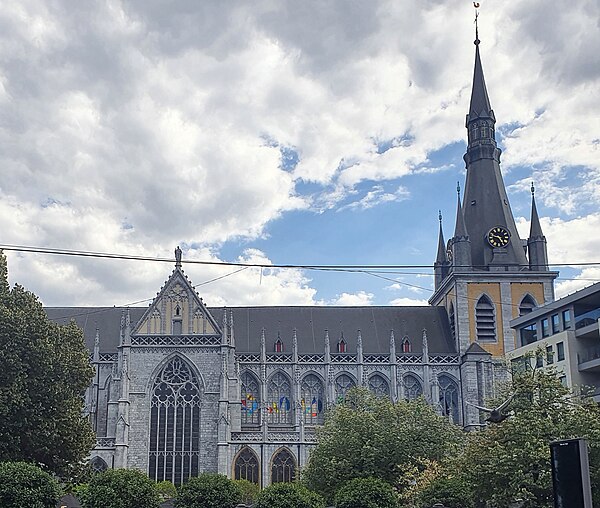
Saint Paul's Cathedral of Liege
- Liège's Cathedral of St.
- Paul is a Gothic Mosan cathedral and former collegiate church of the city.
- Its construction began in the 13th century and was completed in the 15th century.
- It was originally a collegiate church dedicated to Saint Paul, but became a cathedral after the destruction of Saint-Lambert Cathedral.
- It has been listed as a heritage site since 1936, with the exception of the instrumental parts and cases of the tribune and transept organs.

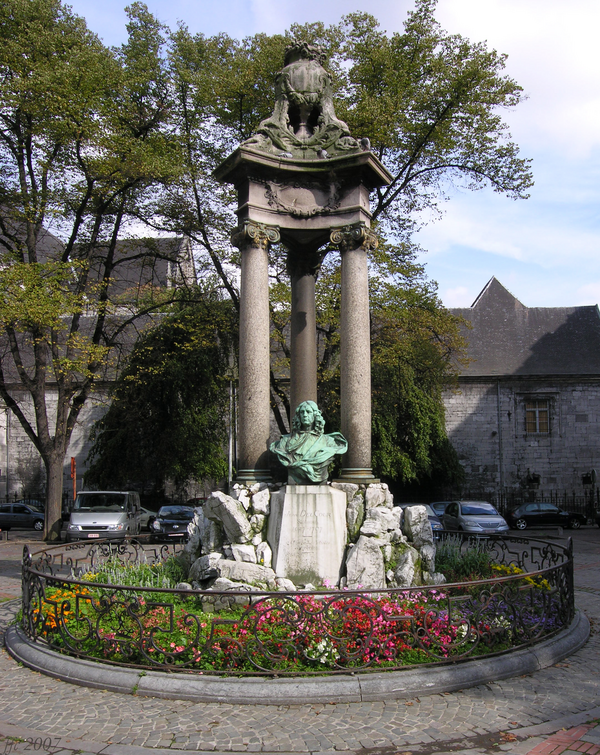
Fontaine de la Vierge
- The fountain is a work by Jean Del Cour.
- The fountain was threatened with destruction during the French occupation, but the statue of the Virgin and the lions were saved thanks to protests by the municipality and citizens.
- The fountain was rebuilt in 1854 on Rue Vinâve d'Ile using small granite, then completely restored in 2016 The Fountain of the Virgin is an emblematic monument of Liège, beloved by the city's inhabitants.
- The stone pillar of the fountain is adorned with a bronze door depicting the crowned Religion.

© Wikimedia Commons
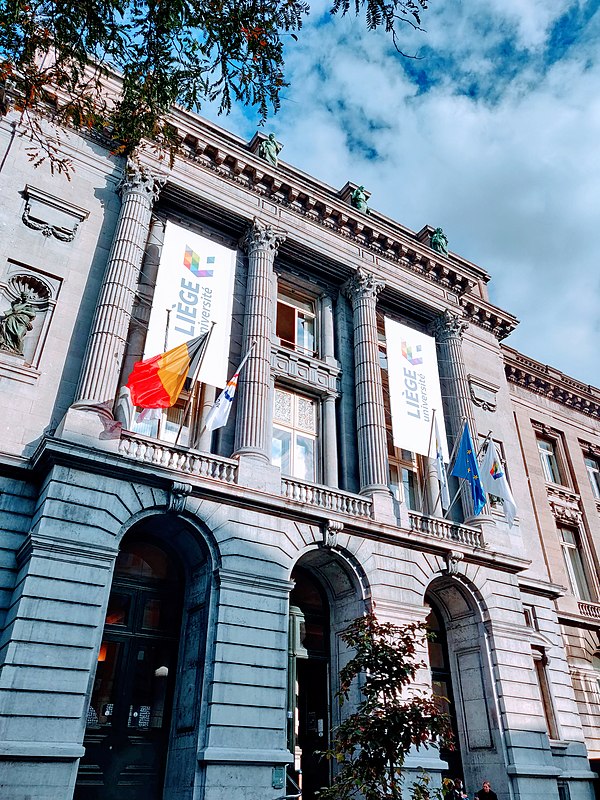
Place du Vingt-Août
- The place du Vingt-Août is a thoroughfare connected to place Cockerill, quai van Hoegaerden and quai Roosevelt.
- It was formerly the place des Jésuites, housing the Collège en Isle, before becoming place de l'Université in the 19th century.
- Its current name, given after the First World War, commemorates crimes committed by the German imperial army from August 5-26, 1914.
- On August 20th, 15 civilians were randomly selected and shot in the square, which was subsequently destroyed by flames.
- The Société libre d'Émulation building and its library were also destroyed and university buildings were vandalized and looted. The university's building on the square has been adorned with six bronze sculptures, allegories of the university's teachings, since 1893.⭐ The square is the setting for two student folklore events: the Saint-Torè and the Saint-Nicolas.
© Wikimedia Commons
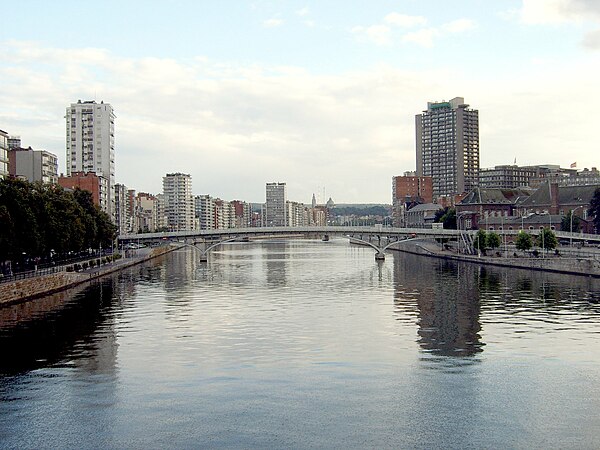
Passerelle Saucy
- The Saucy footbridge is an arched bridge.
- It is also known as the Regency footbridge.
- It links Rue de la Régence and Boulevard Saucy across the Meuse.
- The first footbridge was built between 1877 and 1880, but was destroyed in May 1940.
- A new footbridge was built after the Second World War and opened to pedestrians and cyclists in 1949.
- In 2008, a boat damaged one of the bridge's pillars, requiring repair work that took place in 2011.
- In March 2021, the project to demolish and replace the footbridge was announced, with the aim of facilitating barge navigation by removing the bridge's two piers.
- The new footbridge is scheduled to be inaugurated in November 2023.
© Wikimedia Commons
Place Saint-Paul
- Place Saint-Paul is home to the portal of St.
- Paul's Cathedral and the exterior of its cloister, where the Cathedral Treasury is housed.
- It features a statue by Jean Del Cour, a sculptor of the Baroque movement known as the one who introduced this style to the principality of Liège.
- At its center, the flower-adorned garden changes motif regularly.
- The national bank building was sold in 2018 to be transformed into an international ballet school.
- Every year on May 1, the square hosts a gathering of Liège's left-wing associations, offering concerts, debates and evening events.
- Before 1863, the square was known as "Place Derrière Saint-Paul".
Day 1 - Afternoon à Liège
2 Points of interest - Duration : 1h45 - Distance : 0.6 km - Walking : 0h07
© Wikimedia Commons
Avroy Parc
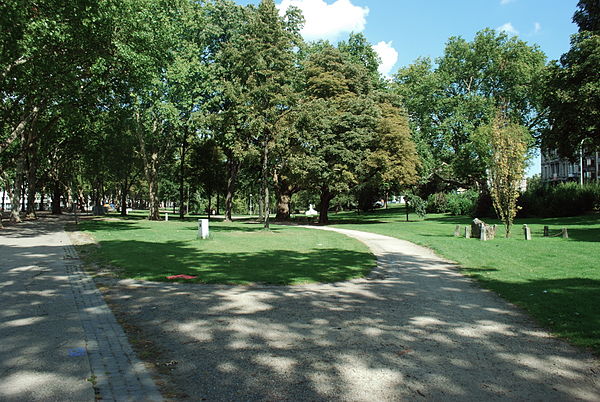
- The park was created in 1880 on an ancient site where the main course of the Meuse used to pass.
- It includes a vast body of water, originally intended as a trading pond, preserved to become the park.
- The "Trink-Hall", a Moorish-style building, now houses the MADmusée du Creahm, encouraging the artistic talents of the mentally handicapped since 1992.
- In the 19th century, a bandstand hosted cinematograph sessions and brass band concerts.
- It boasts several monuments and statues, including an equestrian statue of Charlemagne, a monument to the memory of Charles Rogier and a national monument to the Resistance.
- The park has also been home to the October Fair since 1854, one of Belgium's most important funfairs.

Abbaye des Bénédictines
- It was established in 1627 by Benedictine nuns originally from the Abbey of Peace Notre-Dame in Namur.
- The abbey was built between 1686 and 1690 according to the plans of a nun, Antoinette Desmoulins, with subsequent buildings after 1692.
- The church’s facade combines Ionic and Corinthian columns; the church also houses an exceptional organ named "Le Picard." It has a unique architectural design with specific attention to the facade, interior décor, and notable works such as paintings, sculptures, and an exceptional organ by Jean-Baptiste le Picard.
- Artist William Turner sketched the Abbey from Boulevard d'Avroy during his stay in Liège.
Day 2 - Liège
10 POIs to discoverDay 2 - Morning à Liège
5 Points of interest - Duration : 3h45 - Distance : 0.7 km - Walking : 0h09
© Wikimedia Commons
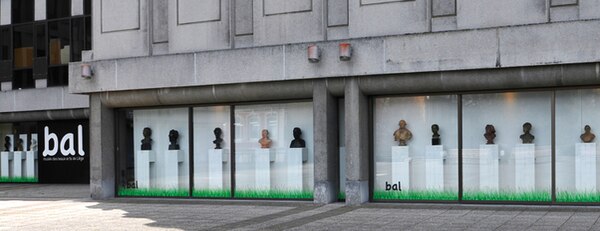
Musée des beaux-arts de Liège
- The Musée des Beaux-Arts de Liège, known as BAL, opened in 2011 and closed in 2016.
- The Musée de l'Art Wallon featured paintings and sculptures by artists from the French Community from the 16th to the 20th centuries.
- Le Musée d'Art Moderne et d'art contemporain showcased the evolution of painting and sculpture since the 19th century.
- Le cabinet des Estampes et des Dessins housed around 40,000 pieces, prints and drawings from the 16th century to the present day.
- LE BAL closed in 2016 and all collections are being transferred to La Boverie.

Impasse de la Couronne
- Impasse de la Couronne is on the right-hand side of the facade of an old brewery called Maison delle Coronne, dating from the year 1500.
- The stone of the brewery sign is still present, hammered into the facade.
- Like the impasse Venta, access is via an arvô about 1 m wide.
- After about 70 m along whitewashed houses, you come to a picturesque tree-lined square (10 m x 25 m).
- In this square, you'll find a potale leaning against a gable.
Cour Saint-Antoine
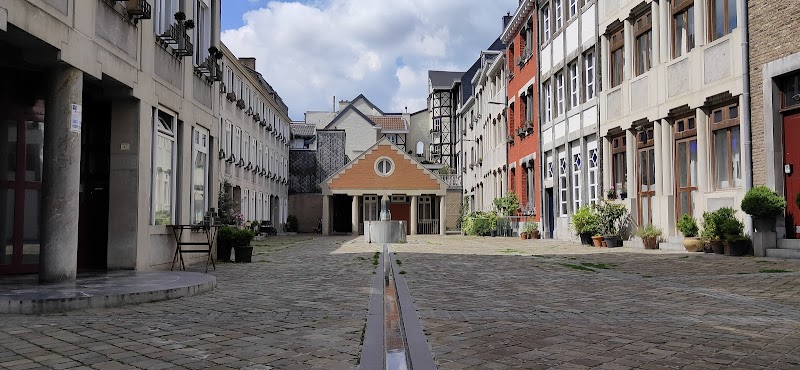
- Cour Saint-Antoine is a quiet little village in the heart of the city.
- It was restored in the 1970s to combat "urban consumer" behavior and has since retained its charm and calm.
- In the center of the courtyard is an obelisk-shaped fountain connected to a monument inspired by the Mayan pyramids, called the Tikal stele.
- The French artists who created this work, Anne and Patrick Poirier, are sculptors, architects and archaeologists who explore historical sites to inspire their work.
- More than thirty years after its restoration, the Cour Saint-Antoine remains a place appreciated by the people of Liège for its peaceful atmosphere.
© Wikimedia Commons
Hôtel de Stockem de Heers
- The Hôtel de Stockhem, also known as de Stockhem de Heers, is an early 18th-century mansion.
- It was built around 1700 on the site of a 17th-century building, of which very few elements remain.
- The mansion was owned by the de Stockhem family until around 1816.
- The de Stockhem family made a fortune in the metallurgy industry, and various family members held high-ranking positions in the city.
- In 1936, the Hôtel de Stockhem became the headquarters of a hospitality school.
- The Hôtel de Stockhem was classified as part of the Walloon Region's heritage in 1950.
© Wikimedia Commons
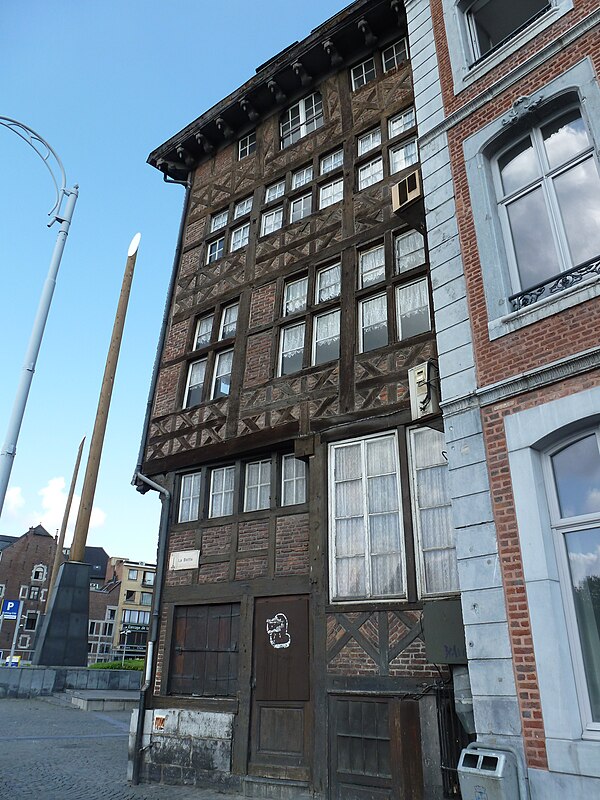
Maison Havart
- Since the mid-sixteenth century, this square has been the scene of a livestock, fruit and vegetable market - the ancestor of the Batte market - then, at the end of the century, the rendezvous of camelots and other acrobats - the ancestor of the Liège fair.
- Built in 1594 (or 1666, according to some sources) by Mathieu Mathot, a cloth merchant, the Maison Havart is one of the oldest buildings in Liège's private heritage.
- At the end of the 19th century, the building was run by an ironmonger, a certain Louis Havart, who gave his name to the building.
- In the 19th century, the house housed a gourmet restaurant called "Au Vieux Liège".
- Since May 2019, the Maison Havart has been home to a gallery of modern Belgian paintings, the Damien Comeliau Gallery.
Day 2 - Afternoon à Liège
5 Points of interest - Duration : 3h45 - Distance : 0.8 km - Walking : 0h11
© Wikimedia Commons
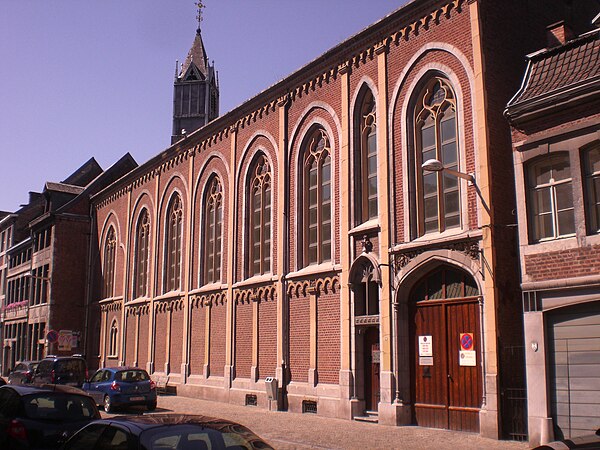
The convent of the Capuchin
- After several moves, the convent finally settled in rue Hors-Château, where construction of the church began in 1645.
- For almost 100 years, the Capuchins enjoyed the protection of the city, but in 1746, acts of vandalism necessitated an edict to protect them.
- Due to the French Revolution, the convent buildings were sold in several lots in 1797. Currently, part of the convent buildings house the Helmo Sainte-Croix teacher training college.
- In 2017, the relics of Mother Marie-Thérèse Haze were transferred from the chapel to Liège's Saint-Paul Cathedral. .
Impasse des Ursulines
- L'impasse des Ursulines was once called en Fer à cheval.
- It crosses the Coteaux de la Citadelle and was once home to the Ursulines convent.
- The Principality's microbrewery, brewing Curtius beer, is located on this street.
- Since 2003, an artistic biennial has been held in May, exhibiting works in the residences of impasse residents.
Impasse de l'Ange
- �� The entrance to Impasse de l'Ange is wider than that of its neighbor.
- The arvô measures around 2 m wide under a slightly curved limestone lintel.
- The À l'Ange d'Or house (at no. 45), where an angel-carved stone sign dating from 1759 appears, gave its name to the impasse. 70 m long, it boasts a few trees, including a fig tree, before joining the square, thus communicating with Impasse de la Couronne.
- Among the oldest buildings, those at nos. 5 and 7 date from the 17th century and are included on Liège's list of classified real estate heritage.
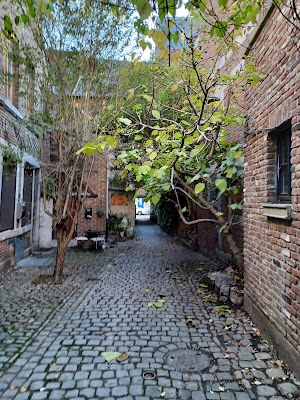
Impasse de la Chaîne
- The impasse de la Chaîne is a few blocks ahead of the impasse de la Vignette.
- The arvô, at 15 rue Delfosse, is about 1 m wide and has a horizontal ashlar lintel.
- The impasse de la Chaîne is straight and measures approximately 80 m.
- It takes its name from a chain that demarcated the domain of the nearby collegiate church of Saint-Barthélemy.
© Wikimedia Commons
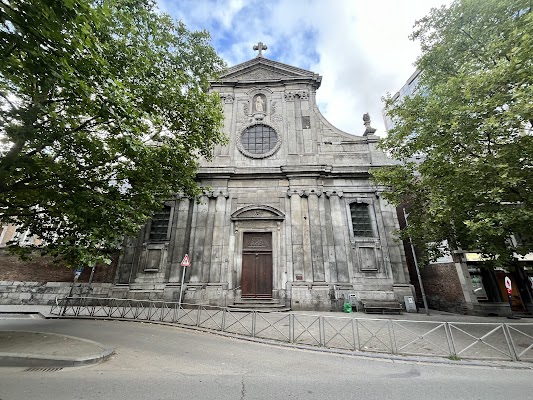
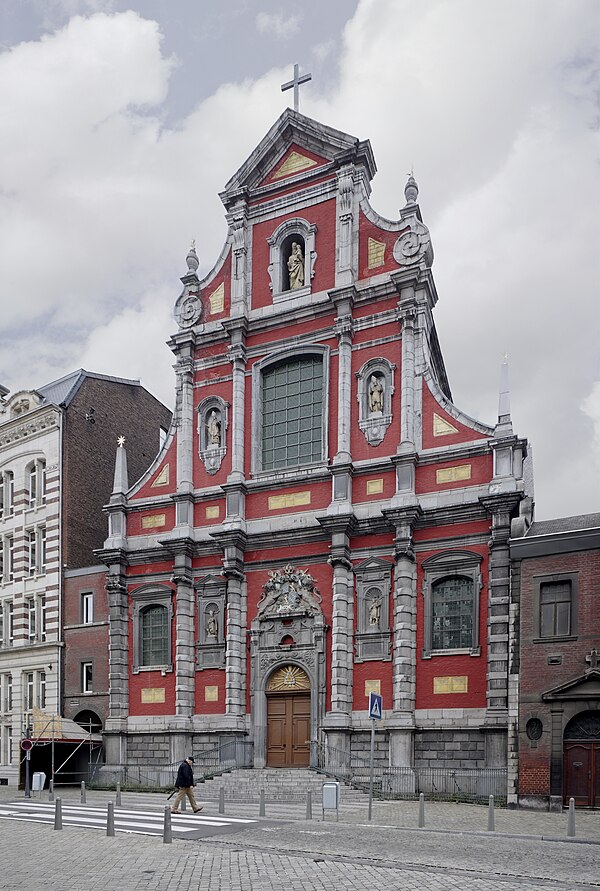
Church of Our Lady of the Immaculate Conception
- The Church of Our Lady of the Immaculate Conception, also known as the Church of the Redemptorists, the Carmelite Church, and St.
- Gerard's Church was built in the 17th century in the Baroque style.
- The church was originally part of the Carmelite convent, which was established in 1618 and later suffered from a fire in 1630.
- The church was completed in 1655.
- After it was sold during the Revolution, the church was repurchased by the former Carmelites and became the property of the Redemptorist Fathers in 1838, who then renovated it.
- The church was consecrated to Saint Gerard in 1889 and later given to the St.
- Bartholomew's College by the Redemptorists in 1964.
- Currently, the church is the property of the Liège City and its façade has been restored in the early 2000s, but the interior still awaits renovation.
- In reward for the renovation done by the Redemptorist Fathers, Pope Gregory XVI donated the body of Saint Alenia, a martyr found in the Priscilla Catacombs in Rome, to the church in 1840.
Practical details for visiting Liège
Where to stay
To fully enjoy the itinerary, opt for accommodation in the city center or near Parc d'Avroy. The neighborhoods close to the Twenty-August Square, the train station and the park offer a good balance between access to sites and local life. You can find boutique hotels, bed and breakfasts and a few chain hotels to suit all budgets. Options such as comfortable hotel and apartment rental are common; if you seek a more intimate immersion, a guesthouse on a quiet street can be ideal. In terms of average prices, expect rates that vary by season: for an economical stay, look for a hostel or a small hotel; for more comfort, turn to 3-4 star establishments near the center. Remember to check the walking distance between your accommodation and the starting point at the CESE Wallonie to optimize your travel.
Getting around
Liège is very walkable, especially for a two-day itinerary that concentrates many central attractions. Walking will allow you to appreciate the alleyways and façades. For longer trips, the bus network covers the city: check local lines and temporary transport passes. Cycling is also a practical option, with bike lanes and rental spots in the city center; it's a good way to save time between distant points. If you prefer flexibility, taxis and ride-hailing services are easily accessible. Keep in mind that some lanes and alleyways are pedestrianized or narrow, which favors walking and cycling over driving. For maximum comfort, combine walking, bus and cycling according to the weather and your energy for the day. Bring comfortable shoes will greatly ease the experience.
What to pack
Adapt your suitcase to the season, but always rely on the essentials: comfortable walking shoes, a light raincoat and a backpack for light errands. In summer, plan breathable clothing and sun protection; in cooler seasons, layered clothes and a windbreaker will be useful. If you visit churches and historic buildings, think of respectful attire that’s easy to remove or cover. For changeable days, a compact umbrella and a reusable water bottle are handy. Don’t forget a portable charger for your phone — photos pile up quickly near the Parc d'Avroy and the Grand Poste. Also bring a copy of your important documents and a small basic kit. These simple choices make the stroll more pleasant and worry-free.
Advance reservations
For a short stay, booking certain elements in advance simplifies the schedule. If you want to dine in popular restaurants in the center or near the main squares, consider reserving a table for the evenings. For specific guided tours or temporary exhibitions in cultural buildings, check whether a reservation is required. Shows or concerts happening during your stay can fill up quickly, so book tickets if an event interests you. For accommodation, booking in advance ensures a wider choice and better rates, especially during peak periods. Finally, if you prefer to rent a bike or join a thematic tour, book these services ahead of time to avoid disappointments. Targeted reservations let you have more time to stroll around the Palace of Justice and in the center's alleys.
Extras not to miss
Beyond the main itinerary, leave time for unexpected discoveries. Walks along the Meuse and the quays offer a different perspective of the city. Look for independent art galleries, artisan workshops and small bookstores that dot the center. For a playful experience, explore Coddy's urban escape games that turn the city into a playground and offer an original way to discover alleys and hidden spots. Also think of local markets and neighborhood events: they reveal another facet of urban life. If you love photography, sunrise and sunset give special light on the cathedral and the Grand Poste. Finally, leave a flexible timeslot for a longer café on a terrace or an impromptu visit to an exhibition; these moments are often what make a short stay memorable.
Local delights
Local gastronomy deserves several breaks: try sweet and savory specialties served in cafés and bistros in the center. Among the musts are traditional local preparations and pastries found at markets. For a convivial experience, seek out breweries and bistros offering typical dishes, as well as bakeries that offer pastries and treats to take away for your walks. Neighborhood markets are perfect places to feel the culinary atmosphere and discover artisanal products. If you enjoy local drinks, try a selection of beers offered on terrace or to-go. The tasty pauses pleasantly punctuate visits to Parc d'Avroy and the alleyways, and make the exploration even tastier.
When to visit Liège and how much it costs
Best seasons
The best time to visit depends on your priorities: if you enjoy mild weather and lively terraces, spring and the late summer offer a good balance between pleasant weather and city animations. For greenery lovers and park strolls, temperate seasons highlight Parc d'Avroy and riverside walks. Winter offers a quieter ambiance and sometimes seasonal markets, but days are shorter and some outdoor activities can be less comfortable. In peak tourist season you'll enjoy wider opening hours for sites and a richer cultural offering; in off-season, the atmosphere is more intimate and prices can be softer. Whatever the moment, plan for layers and adapt your program: center strolls suit changing days. Spring, summer and autumn remain the most appreciated seasons for a two-day city break.
Crowds
Crowds vary by season and local events. Weekends and festival or urban events periods see increased crowds, especially around the main squares and shopping axes. On weekdays and outside festive periods, the city is calmer, which is perfect for strolling through alleyways and visiting museums without rushing. If you want to avoid queues and enjoy photographable spots in peace, head out early in the morning for monuments like Saint-Paul Cathedral and the Grand Poste, or book time slots for guided tours. Peace-seekers will appreciate weekday afternoons to explore alleyways and quiet courtyards. In short, choose the period according to your tolerance for crowds: for more serenity, prefer weekdays and shoulder seasons.
Estimated budget
Budget economy: For two days, aim for economy by choosing a hostel or a small hotel away from the main routes, prioritizing walking and quick meals. Expect simple meals, a few paid entries and occasional bus use. The total can stay affordable if you limit paid visits and opt for budget-friendly local options.
Budget medium: Accommodation in a 2-3 star hotel near the center, a few seated meals in brasseries, occasional guided tours and perhaps a bike rental for a half-day. This budget allows you to enjoy the city without constraints and to alternate good meals with cultural discoveries.
Budget comfortable: 4-star accommodation or well-located apartment, meals in good spots, shows or private tours, and transport by taxi or ride-hailing as needed. With this level of comfort, you will experience the stay in a relaxed and flexible way, with the possibility to book high-quality culinary or cultural experiences.
Frequently asked questions about your stay in Liège
To conclude
This two-day mini-itinerary in Liège prioritizes walking exploration, tasty stops and little finds that make a city memorable. Starting from the CESE Wallonie and ending at the Impasse de la Chaîne, you will have covered a range of places: squares, parks, buildings and alleyways that tell the local life. The idea is not to chain monuments, but to feel the atmosphere, listen to the city and return with images and tastes in mind.
Whether you're an architecture lover, a curious walker, or a foodie, these two days offer a good synthesis. Keep an open mind to detours, book when helpful, and know how to take breaks. If a place particularly appeals to you, extend the visit: that's often where the most beautiful impressions arise. Have a good trip and happy discoveries — and if you feel like it, give yourself over to an urban game to see the city from a different angle.
Want more adventure?
Discover our urban escape games to transform your visit into an interactive adventure!


