







You will visit the most beautiful points of interest in Ostend

Two days in Ostend: strolls, sea and discoveries
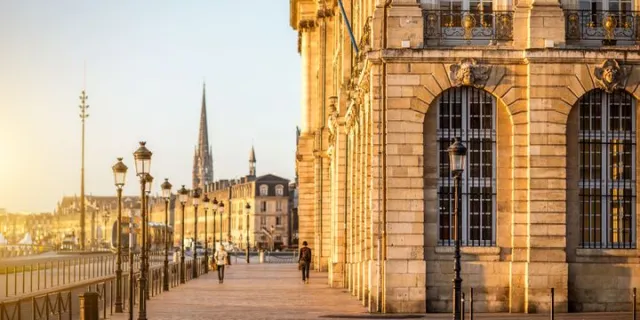
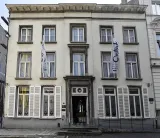
Starting your getaway at La Grande Poste immediately sets the tone: you are in a city where the past and the present meet by the sea. Ostend is easy to explore on foot, between peaceful passages and the coastal way of life. In two well-paced days, you can touch on the essentials without rushing, taking time to observe, taste and wander.
This compact itinerary alternates walks, museums and tasty breaks. The first day focuses on the city center and a few urban landmarks such as Leopold Park and the Town Hall, while the second emphasizes the coast and local culture with musical and artistic stops. I've structured each moment so that you feel the city as much as you see it.
You will find practical suggestions for where to stay, getting around and planning your visits. The choice of venues remains deliberately broad: from budget options to more comfortable places so you can tailor this program to your pace. If you love neighborhood stories, seaside walks and small unexpected discoveries, this itinerary is for you.
As you go through the steps — from the Mercator to the Ostend City Museum, via the James Ensor Gallery — the aim is to blend observation and emotion. Take your time, let yourself be guided by what you feel on site, and don't forget a break to savor the local specialties. Two days are enough to leave with the impression of having lived the city rather than simply visited it.
Day-by-day summary
Day 1 — Morning: Start at La Grande Poste, an iconic starting point, then stroll through Leopold Park for a breath of green air. Continue to the Sint-Petrus-en-Paulus Church and stop for a treat at Amandine. Finish the morning near Ostend Station to connect to the afternoon.
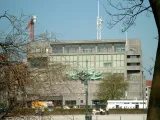
Day 1 — Afternoon: Dedicate the second part of the day to the Mercator, then pass by the Ostend City Hall and go up to Lange Nelle for an urban panorama. The itinerary remains fluid and allows you to adjust visits to your pace.
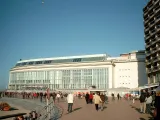
Day 2 — Morning: Immerse yourself in the seaside vibe at the Casino-Kursaal, then coffee at the Lafayette Music Bar. Visit the Ensor House, the Arms Square and the Feest- en Kultuurpaleis for a mix of art and local life.
Day 2 — Afternoon: End at the Vistrap and the National Monument to Seafarers, then explore the James Ensor Gallery and the Ostend City Museum. The day ends at the Sorry bar, a perfect place to cap your stay.
Day 1
10 stops
Morning
-
1
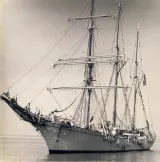
Mercator
Landmark · 45 min
- The Mercator is a museum ship.
- It was built in 1932 at Ramage and Ferguson Ltd in Leith, Scotland.
- The ship was launched on September 5, 1932, and became operational on the same day.
- Its homeport is Oostende.
- The Mercator is owned by the Belgian State.
- It is a three-masted barkentine, serving as a training ship.
- The ship is 78.40 meters long, 11.09 meters wide, and has a draft of 4.50 meters.
- It has a displacement of 778.86 tons and is powered by a 500 horsepower auxiliary engine.
- The Mercator has 15 sails with a total area of 1600 m², enabling a speed of 13 knots (24 km/h).
- The ship had a crew of 150 members.
- The Mercator served as a sailing ambassador, participated in races, and transported notable items, including two "moai" from Easter Island and the remains of Father Damien.
- During World War II, the ship was requisitioned by the British Admiralty and used as a submarine depot ship.
- Since 1961, the Mercator has been converted into a museum ship and has been moored in Ostend, except for a few trips.
© Wikimedia Commons
Coddy games passing through
-
2
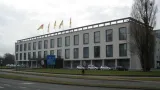
Town Hall of Ostend
45 min
- The old Town Hall and city archive of Ostend burned down during World War II on the night of May 27-28, 1940.
- The construction of the new Town Hall of Ostend began in 1956 on a different site.
- Architect Victor Bourgeois designed the new Town Hall, while the interior was done by the art workshop De Coene.
- The city services were temporarily housed in the new courthouse during the construction of the Town Hall.
- The entire complex was officially inaugurated and put into use in 1961.
Coddy games passing through
-
3
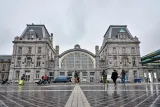
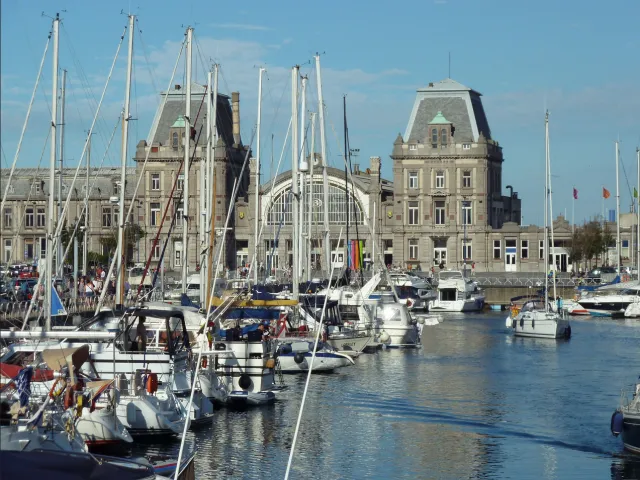
Station OOSTENDE
45 min
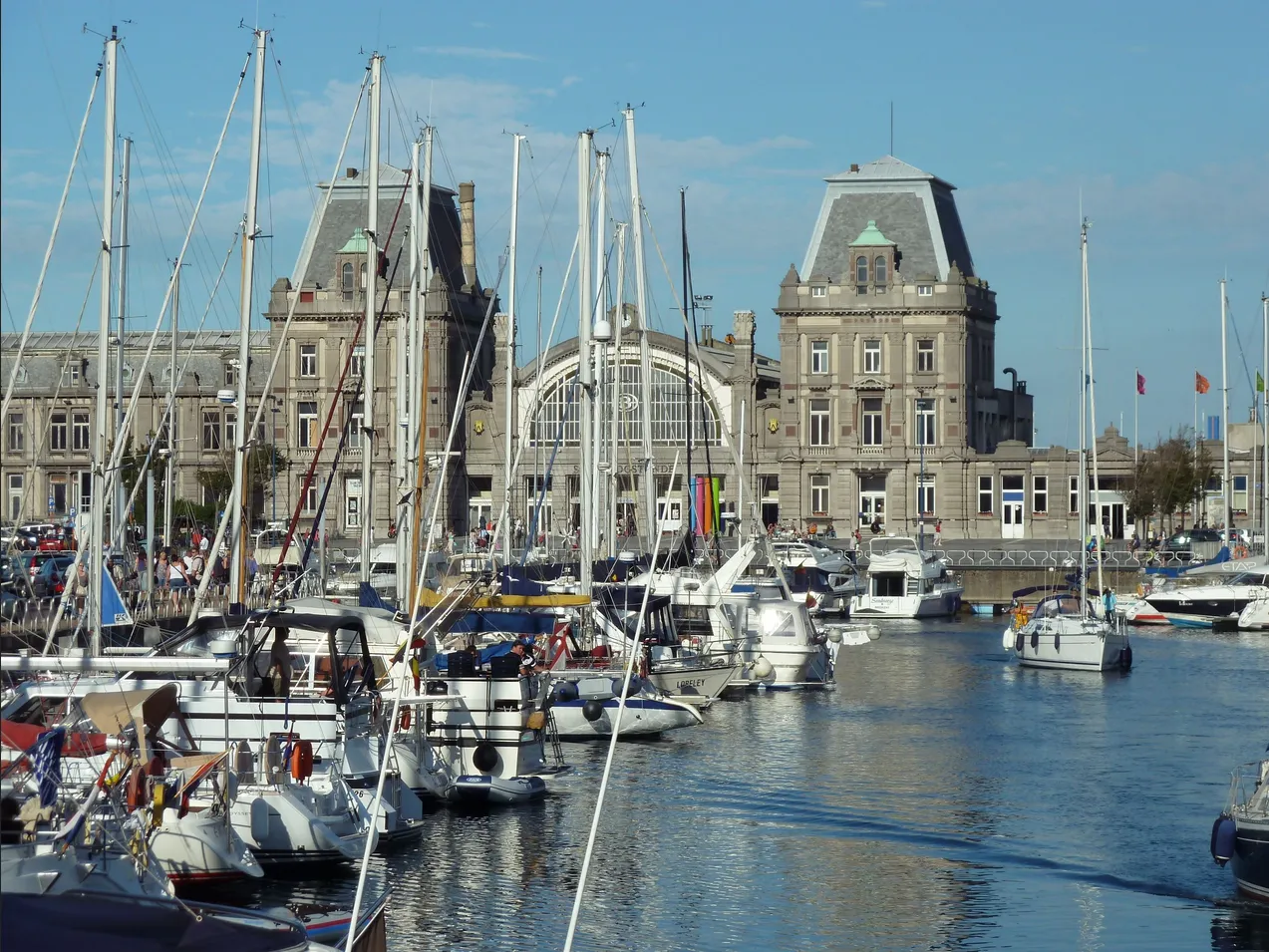
- The first station opened in 1838, and the current neoclassical station was built in 1913, connecting trains and ferries, using materials like Scottish granite, bluestone, and limestone. Oostende station is a major hub, with InterCity trains connecting to Brugge, Gent-Sint-Pieters, Brussels-South, Liège-Guillemins, Antwerpen, Kortrijk, and more. Oostende serves as a major hub for the Kusttram, the coastal tramway run by De Lijn. Regie voor Maritiem Transport used to operate ferries connecting to the Port of Dover, but these services ceased in 1994.
Coddy games passing through
-
4
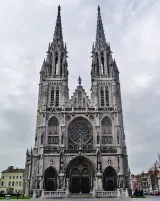
Sint-Petrus-en-Pauluskerk
Religion · 30 min
- The Sint-Petrus-en-Pauluskerk was built to replace the Sint-Pieterskerk, which was destroyed by fire on August 14, 1896.
- King Leopold II had plans for the church's construction, but faced resistance from the then dean.
- Rumors suggested the king might know more about the fire that destroyed the previous church.
- The new church was built in Neo-Gothic style between 1899 and 1905.
- It was designed by Louis Delacenserie, the city architect of Bruges.
- The church was made of limestone from the Maas region (pierre de Meuse), a type of stone that was also used by the Romans for their villa construction.
- The church, which is 70 meters long and 36 meters wide, has a floor plan based on the Latin cross, with the central nave slightly higher than the two side aisles.
- The church was solemnly inaugurated on September 4, 1905 in the presence of King Leopold II and numerous dignitaries, but was not consecrated until August 31, 1908 by the Bishop of Bruges, Waffelaert.
© Wikimedia Commons
Coddy games passing through
-
5
Amandine
Museums · 1h30
- The 'O.129 Amandine' is a large stroke trawler launched in 1962, fishing in South Iceland during summer and the Channel and North Sea in winter.
- In 1974, the Amandine transitioned into a real Icelandic vessel.
- On April 3, 1995, the 'Amandine' made its last voyage to Ostend, marking the end of Iceland's fishing industry in the region.
- On May 14, 2000, the ship was placed on dry land in front of the station using two large cranes during the first edition of Ostend at Anchor.
- Shipbuilder Richard Panesi initially disapproved, considering it a disgrace, but later acknowledged the good job done on the ship.
- The 'Amandine' now serves as a museum about Icelanders, but is currently closed for renovation.
Coddy games passing through


Afternoon
-
6
Equestrian statue of King Leopold I
Sculptures · 45 min
- The bronze statue of King Leopold I was unveiled in 1901 in the presence of King Leopold II, Princess Clementina, and Prince Albert.
- The statue features a slightly bowed head of the horse and a rotating movement of the king, adding a dramatic touch to its appearance.
- The statue is believed to be the oldest surviving structure on the square, as the original houses have been replaced by modern apartment buildings.
- King Leopold II inaugurated the monument in 1905 with grandeur.
- In 1867, the statue of Leopold I, along with the statue of Ambiorix from Tongeren, was showcased at the World Exhibition in the Belgian Garden in Paris.
© Wikimedia Commons
Coddy games passing through
-
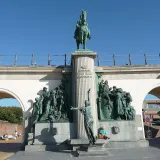
7
3 gapers
45 min
- The plan to honour King Leopold II with a monument in Ostend dates from shortly after his death in 1909.
- The statue was designed by sculptor Alfred Courtens and architect Antoine Courtens.
- The monument consists of a rising column with a bronze statue of Leopold II on horseback in military uniform, looking over the North Sea.
- In 2004, the hand of a Congolese statue was sawed off in protest against Leopold II by the action group "De Stoete Ostendenoare".
- In fact, this equestrian statue is a complete falsification of history: Leopold II did not free the Congolese from slavery under Arabs.
- On the contrary, he used the Congolese himself as slaves to work in the coffee and rubber plantations. Not only did a real genocide take place there, but slaves who did not work hard enough had their hands chopped off. .
Coddy games passing through
-
8
Royal Galleries of Ostend
45 min
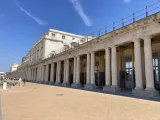
- The Royal Galleries are located on the seawall between the Royal Chalet and Wellington Racecourse.
- The colonnades are about 380 metres long and end on both sides in an enclosed pavilion with a lounge.
- The architecture of the paired Doric columns is inspired by Roman architecture from the time of Emperor Hadrian.
- The Royal Galleries were intended as a passage to the racecourse for King Leopold II and his distinguished guests, protecting them from the weather.
- The first phase of construction was financed by a grant the city of Ostend received as compensation for the abolition of games of chance.
- Leopold II financed part of the second phase from his personal fortune.
- Atop the centre and at the back of the Royal Galleries is the Thermae Palace Hotel, built in 1932-1933 by architect André-Louis Daniëls.
- The galleries are the setting for Léon Spilliaert's painting "La Nuit", part of the Belgian State's collection.
Coddy games passing through
-
9
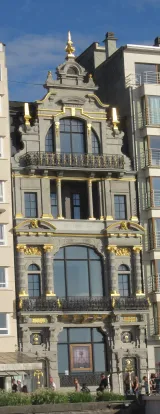
Villa Maritza
Historic architecture · 45 min
- Villa Maritza was built in 1885 to a design by architect Antoine Dujardin.
- It is one of the last remaining remnants of belle-époque architecture on the seafront.
- Antoine Dujardin was a prominent architect of the Second Eclectic Period and designed several luxury villas in Ostend.
- In 1996, Villa Maritza was listed as a protected monument.
- From 1986 to 2011, Villa Maritza functioned as a restaurant.
- In 2012, the building was bought by contractor Bart Versluys for a renovation project to support Ostend's cultural heritage.
© Wikimedia Commons
Coddy games passing through
-
10
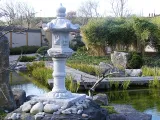
Japanse Tuin
Gardens and parks · 1h
- The point of interest is a Japanese Garden named Shin Kai Tei, which means "Deep Sea Garden".
- The garden is located within the former park of the Royal Villa.
- Combining several landscapes, the garden depicts various aspects on a relatively small surface.
- The garden was designed by Takashi Sawano.
- A pond shaped like a turtle is a central feature of the garden.
- The garden was opened in 2001 by Prince Filip of Belgium and is freely accessible for walkers.
© Wikimedia Commons
Coddy games passing through
Day 2
10 stops
Morning
-
11
Lafayette Music Bar
45 min
- Lafayette is known for its diverse music offerings, including soul, blues, jazz, reggae, ska, chansons, popcorn and a selection of rock & pop classics - Soul Ostendaise. They have up to 69 beers and tot 62 types of spirits, 14 different cocktails They are open 7 nights a week !
Coddy games passing through
-
12
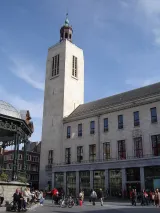
Wapenplein
Unclassified objects · 45 min
- This square was constructed in the 15th century, and is the oldest square of Ostend The city hall was destroyed by the English in 1489 but was rebuilt in 1496.
- After the siege of Ostend in 1601-1604, a new city hall was built on the south side of the Wapenplein square, following its current layout.
- The city hall was again destroyed during the English siege of Ostend in 1706 and was replaced by a new building designed by Augustijn J.
- In 1887, a large casino hall and the Museum of Fine Arts were established within the city hall premises.
- In the late 19th century, the Kiosk was built following a petition by residents to have a permanent music building on the square.
- Designed by architect Theobald Van Hille, the Kiosk exhibits an eclectic style, featuring eight slender cast-iron columns and balustrades from a previous Kiosk to improve acoustics.
- The four liers on the dome are dedicated to composers Grétry, Wagner, Rossini, and Gounod.
- Despite the destruction caused by World War II in the city, the Kiosk remained intact and was later protected as a recognized monument in 1981.
- The Kiosk enjoyed its prime during the summer months from 1898 until the 1960s, hosting a popular music festival called the "Festival Permanent" with performances by local and foreign music bands.
Coddy games passing through
-
13
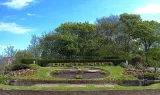
Leopoldpark
Gardens and parks · 1h
- The Leopold Park in Ostend was designed by Louis Fuchs in the style of an English park.
- The park was partially built on the old city walls. It was started in 1861 and completed in 1870.
- Two drinking pavilions were built in the park in 1859 after the discovery of two water sources.
- The park features a wooden music kiosk from 1885 where musical performances take place.
- A floral clock was installed in 1933 and is decorated with 15 million flowers and plants annually.
- The Leopold Park displays various artworks along a sculpture route, including allegorical heads by Leo Copers and the bronze sculpture "Hoop" by Jacky De Maeyer.
© Wikimedia Commons
Coddy games passing through
-
14
Feest- en Kultuurpaleis
Historic architecture · 45 min
- The Feest- en Kultuurpaleis opened after a major renovation in March 2007 and houses 17 shops, including some branches of large international store chains.
- The oldest traces of a town hall in this area date back to 1418.
- After its destruction during the War, the town hall was rebuilt seven years later.
- In 1837, some rooms of the town hall were converted into a casino.
- By 1861, a library was also established in the building.
- During the Second World War, both the town hall and library were completely destroyed along with the city archive.
- A new building was approved for construction in November 1954 on the grounds of the destroyed town hall.
- It contained a reception hall, party hall, library, museum, and a small theater hall.
- A new carillon, consisting of 49 bronze bells, was installed in 1965 after the old one was destroyed during the Second World War.
- The largest bell, named Leopold I, weighs 2250 kg.
© Wikimedia Commons
Coddy games passing through
-
15
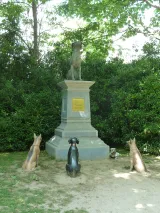
"Sorry"
Historic · 15 min
- The jack russel terrier, often referred to simply as "Jack", is a breed of tracking dog that was mainly used by British infantry on the front near Ypres during World War I.
- They were also used to relay messages, but also to go to the battlefield after the assault and collect the dog tags of fallen soldiers.
- In fact, this is where the word "dog badges" comes from.
- The statue in Ostend park is flanked by four other dogs, including a small bulldog.
- Also this dog is a typically British symbol. The creator is the world-renowned Antwerp artist Guillaume Bijl.
- The sculpture is called 'Sorry' and its meaning goes far beyond a simple homage.Sorry.
© Wikimedia Commons
Afternoon
-
16
James Ensor Gallery
45 min
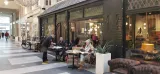
- The James Ensorgalerij was initially established in 1892 and extended in 1928.
- The "Hôtel des Flandres," a neoclassical hotel, was built in the 1850s on the Vlaanderenstraat, and later, in 1891, the "Hôtel Leopold II" (now "Hotel George V") was constructed adjacent to it, featuring the "Galerie Leopold II." The "Galerie Leopold II" was extended in 1928 towards the Christinastraat, where an art deco-style building with apartments, shops, and hospitality functions was erected.
- Vanden Berghe replaced the glass roof with a dome made of "prismatic glass tiles with air movers" in 1945.
- The retail units within the gallery were renovated between 1946 and 1953, reflecting contemporary trends.
- In 1954, the "Glazenstraat" (Glass Street) was officially renamed the "James Ensorgalerij" in honor of James Ensor, a renowned painter who depicted the street in his artwork.
Coddy games passing through
-
17
Ostend City Museum
Museums · 1h30
- The “Stadsmuseum” (= City museum) started in 1899 as a folkloremuseum.
- The museum faced multiple relocations due to war, restoration, and redevelopment.
- The second museum was established in Fort Napoleon in 1932.
- In 1948, a small museum opened in the Royal Galleries, but it had to move several times.
- In 2002, the museum moved to this former royal residence, where it will have a permanent stay.
- The building hosted historical figures like Napoleon and King Leopold II.
© Wikimedia Commons
Coddy games passing through
-
18
De Grote Post
Theatres and entertainments · 45 min
- � This former central post building in Ostend, known as 'De Grote Post' (= The Big Post), was designed by architect Gaston Eysselinck and completed in 1953.
- The new replaced the previous post building, which was destroyed during World War II and was located in the same place.
- The construction of the post-war building started in September 1947 and faced delays and issues.
- The decision not to execute a sculpture by Jozef Cantré, which was considered integral to the building by the architect, caused controversy.
- The sculpture was eventually added ten years later in 1963.
- The building underwent restoration and renovation in different phases, preserving the protected sections while incorporating new elements.
- It now houses theatre halls, spaces for exhibitions and workshops.
- Every summer, they also organise Theater at Sea (Theater Aan Zee=TAZ), a performing arts festival with performances in and around the Grote Post.
© Wikimedia Commons
Coddy games passing through
-
19
Casino Kursaal Ostend
Historic architecture · 45 min
- The first 'Kursaal' in Ostend was established in the city hall in the early 19th century.
- It had a large hall used for concerts and balls, but it was eventually deemed too small.
- In 1852, a new kursaal building was constructed on the "Wapenplein".
- It was a temporary wooden structure designed by architect Hendrik Beyaert and featured a concert hall and outdoor kiosks for concerts.
- Due to space constraints, the kursaal underwent renovations in 1858 and 1865.
- The 1865 renovation included a new glass-roofed feest- en concertzaal (festive and concert hall).
- A second kursaal was built in a different location in 1883.
- Designed by Felix Laureys and Joseph Naert, it had a classicist-eclectic style and featured concerts and recitals for two decades.
- Extensive renovations took place between 1898 and 1906 under the architect Alban Chambon.
- The building was gradually reconstructed each year during the winter season, resulting in a lavish interior with marble, wood, granite, and mosaic decorations.
- The kursaal was destroyed during World War II by German occupiers, who replaced it with gun emplacements and a bunker complex.
- The current Casino-Kursaal Oostende, the third kursaal, was rebuilt after the war based on a modernist design by architect Léon Stynen.
- It incorporated curved glass facades and innovative construction techniques such as reinforced concrete.
- The Casino Ostend, the gambling area, is located within the Kursaal but operates independently.
© Wikimedia Commons
Coddy games passing through
-
20
Ensor House
Museums · 1h30
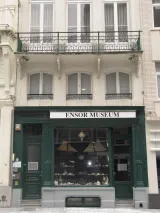
- The Ensor House was James Ensor's residence and workplace from 1917 until his death in 1949.
- Located in the Vlaanderenstraat in Ostend, it was inherited by Ensor from his uncle and aunt who ran a shell and souvenir shop.
- In 1952, the building was converted into a museum by the "Friends of James Ensor," although much of the original furnishings had already been sold.
- The Ensorhuis was acquired by the city of Ostend in 1956, and due to high maintenance costs, it was at risk of being demolished.
- In 1974, after a restoration campaign by Ensor enthusiasts, the house was protected by a Royal Decree and reopened as a museum.
- An adjacent building was purchased in 2016 to serve as an expansion of the renovated Ensorhuis, incorporating a new visitor center.
- The museum showcases five rooms in an "Ensorian" atmosphere, featuring authentic furniture, life-size reproductions, and documentary presentations that provide a unique experience of the artist's living and working space.
© Wikimedia Commons
Coddy games passing through
Practical details for visiting Ostend
Where to stay
To fully enjoy these two days, choose central accommodations: the area around the city center and the seafront is ideal for being within reach of most points of interest. The seafront offers a more relaxed vibe, while the city center is convenient for evenings and restaurants. Expect options ranging from budget hostels or guesthouses to charming hotels and more modern establishments. If you are seeking comfort and services, favor a hotel near the casino and major thoroughfares; for a more intimate stay, a small address near the park or a gallery will do. Average prices vary by season: outside peak tourist times, simple accommodations remain affordable, while more comfortable options tend to rise in high season. Remember to check the distance between your lodging and key spots like La Grande Poste and the Vistrap to limit walking. Book early often yields better finds, especially if you have special requirements (sea view, parking, pets allowed).
Getting around
Ostend is best explored on foot: most sites on this itinerary are close to one another, making walking the best option to feel the city. For longer journeys, check the local bus lines that serve the seafront and peripheral neighborhoods. Cycling is also an excellent way to get around: many bike lanes and rental options allow you to cover more ground with ease. If you arrive by train, the station mentioned in the itinerary makes it easy to reach the center. For more flexibility, consider a taxi or a ride-sharing service from time to time, especially in the evenings. Think about combining walking, cycling and public transport depending on the weather and your energy at the moment.
What to pack
Tailor your luggage to the season and the maritime vibe. Bring a windproof jacket and a waterproof coat for breezy, changeable days by the sea — the proximity to the water often brings a refreshing breeze. Plan comfortable shoes for the many strolls and casual outfits for cafes and bars. If you love art and museums, a small bag to carry brochures and guides is handy. Don't forget sunglasses, a hat and sun protection for sunny days, as well as a compact umbrella if you're traveling off-season. Also consider a portable charger for your devices and digital copies of your booking confirmations. Good gear will make the two days more enjoyable without weighing you down.
Advance Reservations
Some steps are worth booking in advance to avoid queues: start with your accommodation, especially in peak season. For evenings, it's wise to reserve a table at the most popular restaurants and at Lafayette Music Bar if you plan to attend a performance there. If temporary exhibitions are held at the Ostend City Museum or the James Ensor Gallery, check their sites to reserve slots if needed. For shows or events at Feest- en Kultuurpaleis, book your tickets in advance: seats can go fast. Finally, if you prefer a guided tour for a specific place, consider booking it to guarantee your slot.
Extras not to miss
Beyond the main itinerary, leave room for spontaneous discoveries: wander through lesser-known lanes, step into a local gallery or a charming cafe. For a playful immersive experience, try Coddy's urban escape games, which offer walking investigations in the city — a unique way to explore neighborhoods. Also visit local markets or look for artist studios for a more intimate dive into creation. If you have some time, a stroll along the seafront in late afternoon offers another perspective on the city. Finally, set aside a moment to simply sit and observe local life: sometimes the best discoveries are those not listed in any guide.
Local Delicacies
The city invites you to sample seafood and local traditional specialties. Look for small places that serve coastal specialties and simple but generous dishes. Cafés and pastries in the center offer perfect sweet breaks between two visits, while bars along the seafront are nice spots for an aperitif at the end of the day. Don't miss the stalls and small local shops to bring home typical products. For a more intimate experience, favor restaurants frequented by locals rather than purely tourist spots: that's often where you discover the real flavors. Taste and share are essential parts of a successful getaway.
When to visit Ostend and how much it costs
Best seasons
The best time to visit depends on what you’re after. The warmer months offer more sunny hours and a lively seaside atmosphere, ideal for enjoying the seafront and terraces. The intermediate seasons (spring and early autumn) present a good compromise: pleasant weather, fewer crowds, and more tranquility to stroll through museums and alleys. In low season, the atmosphere is calmer and accommodation rates are often gentler, but some activities or venues may have reduced hours. Whatever time you choose, prioritize flexibility in your planning to take advantage of the best conditions when the day comes. Spring, summer and autumn each offer their own advantages for a two-day visit. Choose according to your priorities: sun and bustle or calm and lower prices.
Crowds
Peak crowds typically coincide with holidays and sunny weekends: expect more people around the seafront and major attractions. Outside these peaks, the city remains much calmer, making walks and museum visits far more pleasant. If you prefer to avoid the crowds, plan your visit midweek and outside school holidays; mornings are often quieter, perfect for seeing the iconic places without the hustle. For popular restaurants and bars, a reservation can save you a long wait. Keeping these guidelines in mind, you'll be able to choose the most propitious moments for each stop on your itinerary. Morning, midweek and off-season are your allies for more tranquility.
Estimated budget
- Budget travel
- Budget economy: Opt for a hostel or guesthouse, eat at local cafes, and favor walking. Plan a tight daily budget by prioritizing free attractions, walking tours, and neighborhood snacks. Looking for deals outside weekends and booking in advance significantly reduces cost.
- Mid-range budget
- Medium budget: Choose a three-star hotel or a reasonably charming establishment, mix central restaurants and small addresses, and plan a few paid visits. This budget allows more comfort, a meal at a nice restaurant in the evening, and purchases of local souvenirs without restriction.
- Comfort budget
- Comfort budget: Accommodation in a well-located hotel or with a view, dinners in upscale restaurants, and a few extras like shows or guided tours. This budget level offers flexibility and peace of mind, by reserving the best tables and fully enjoying cultural experiences.
Frequently asked questions about your stay in Ostend
Ready to go?
These two days in Ostend are designed to blend discovery, relaxation and real moments. Starting at La Grande Poste and ending at the Sorry bar, you pass through varied atmospheres: parks, museums, the seafront and small local spots. Let yourself be guided by your on-site wishes, take time for a tasty break, and save an evening to see the city from a different angle.
If you have a specific passion — art, music or seaside strolls — adapt the itinerary accordingly: add an extra visit, slow down, or book a special table. The key is to leave with the sense of having lived the city rather than simply seen it. Have a great trip, and above all, enjoy every moment, even the quietest ones.