Sébastien Balieu

A team building activity is a group experience organized to help team members get to know, communicate and cooperate with one another more effectively. It is not only about sharing an enjoyable moment outside the usual setting: it creates a practical situation in which everyone must listen, contribute, find their place and move forward with others toward a shared goal. When well chosen, it reveals team habits, encourages easier exchanges and strengthens working relationships.<\/p>
The term can cover many different formats: creative workshop, collaborative game, outdoor challenge, adapted sports activity, investigation, group cooking or charitable action. What makes something team building is not the setting or level of entertainment, but the intention behind the experience. An outing where everyone stays with their usual circle can be enjoyable without truly strengthening the team. Conversely, a simple activity designed to make people who rarely interact collaborate can have a concrete impact on everyday exchanges.<\/p>
What is a team building activity for? <\/h2>
The main role of team building is to let a group experience cooperation that differs from everyday work. In the office, exchanges are often shaped by urgency, established roles and familiar tools. A shared activity shifts this framework. Participants discover how their colleagues reason, suggest ideas, react to a difficulty or support the group when a decision must be made.<\/p>
This experience can meet several needs. A recently formed team may need to create its first relationship markers. A department made up of different professions may want to make exchanges smoother. After a busy period or a major change, a group moment can also help rebuild a shared dynamic. Team building does not replace a management discussion, clarification of responsibilities or improved working conditions. It can, however, provide a useful setting for addressing them later with greater confidence.<\/p>
An activity is especially relevant when it gives everyone a possible contribution. In a team, the most comfortable speakers are not the only people with useful resources. An investigation can highlight observation skills, a creative challenge can bring out an unexpected idea, and a group mission may require precision, listening or the ability to summarize. The group then understands through experience rather than theory that different approaches serve the shared goal.<\/p>
What a team building activity is not<\/h2>
Team building is not an automatic reward or an obligation to be cheerful. Organizing a meal, attending a show or giving a gift can be appreciated, but it does not necessarily create cooperation. These moments have their place in company life, particularly for thanking or celebrating, but they do not pursue exactly the same aim as an activity designed around interactions between colleagues.<\/p>
It is not a disguised test either. If participants feel that every contribution is being assessed by their managers, they will try to protect themselves rather than get involved. A good activity offers a clear framework, understandable rules and the right to make mistakes. It allows people to step somewhat outside their habits without putting them in difficulty or exposing them in front of colleagues.<\/p>
Finally, team building cannot resolve a deep conflict on its own. When a team suffers from an established lack of trust, conflicting objectives or unresolved tensions, an enjoyable activity should not be used to avoid the issue. It can complement deeper work, provided the necessary topics are taken seriously. Promising that a game will be enough to repair a complex situation would create disappointing expectations.<\/p>
The effects sought within a team<\/h2>
Build trust without forcing intimacy<\/h3>
Professional trust does not require all colleagues to become close in their personal lives. It is based instead on being able to rely on others, ask for help, express disagreement and share useful information. A group activity can support this trust when it places people in a situation where mutual help is more effective than acting alone.<\/p>
The setting matters greatly. Asking everyone to share personal topics can be uncomfortable and exclude certain sensitivities. A well-designed activity favors accessible exchanges: solving a problem, assigning roles, choosing an approach or helping another team. More spontaneous conversations can then arise naturally, without pressure.<\/p>
Improve communication<\/h3>
Communicating does not mean talking more. In a team, it mainly means expressing information clearly, listening to what is suggested and checking that the group shares the same understanding. Puzzle-solving, construction or navigation activities make these mechanisms visible. A misunderstood instruction, an unshared idea or a decision made too quickly has an immediate effect on the group's progress.<\/p>
The benefit comes less from the final success than from how the team reaches it. One group may complete a mission while leaving some people on the sidelines. Another may take more time but create a more balanced exchange. The format should therefore match what you want to observe and encourage.<\/p>
Cooperate beyond established habits<\/h3>
In many organizations, colleagues mainly work with people from their own function or location. A team building activity is an opportunity to mix profiles. This composition prevents usual reflexes from repeating themselves: the same people do not automatically make the decisions, and everyone discovers colleagues they may previously have known only by name.<\/p>
This mix is useful when it remains clear to participants. They need a shared objective, reasonable time to coordinate and rules that do not require knowledge held by only a few people. Creating varied groups is not enough: the setup must give them a real reason to cooperate.<\/p>
Which formats may be suitable?<\/h2>
The right format depends on your objective, the group's composition, the location and the energy you want to create. There is no ideal activity for every situation. A calm, creative experience may suit a team that needs to take a step back. A more dynamic challenge may suit a group wanting to reconnect after a period of remote work or celebrate a project completed together.<\/p>
- Cooperation games<\/strong> ask participants to solve a situation, share information or coordinate their actions. They are suitable when you want to work on listening and collective decision-making.<\/li>
- Creative workshops<\/strong> invite the team to imagine, make or tell something together. They create room for expression and can reveal different ways of contributing.<\/li>
- Outdoor challenges<\/strong> combine movement, discovery and missions to complete. They offer a clear change of setting and encourage informal exchanges between game sequences.<\/li>
- Charitable experiences<\/strong> bring participants together around an action aimed at other people or a local area. They are suitable when shared commitment is part of the desired meaning.<\/li>
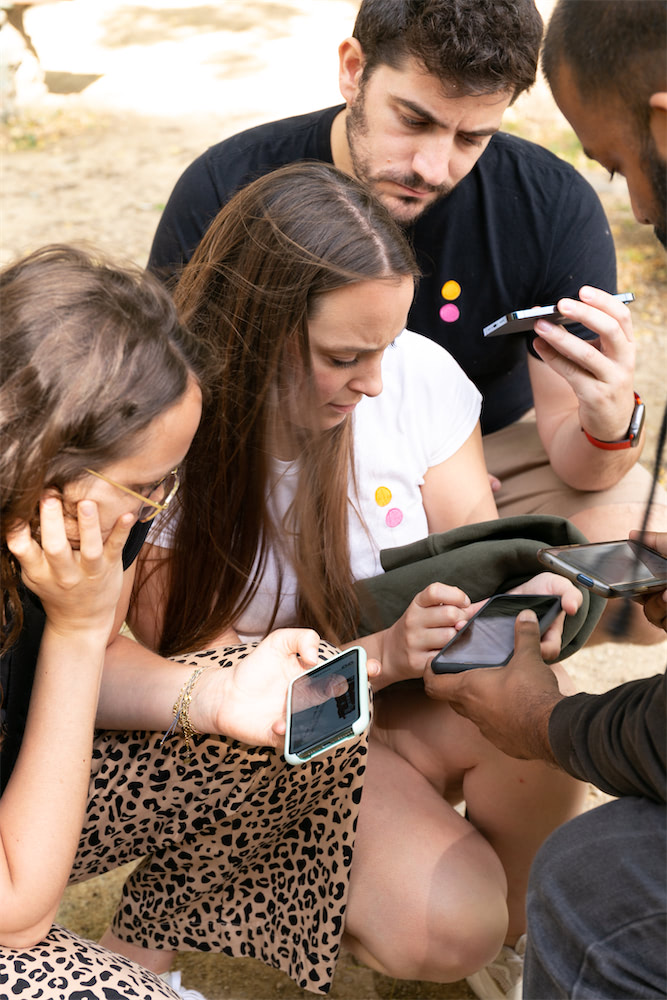
- Thinking activities<\/strong> are based on an investigation, puzzles or a scenario. They may suit groups that enjoy observation, logic and sharing clues.<\/li>
<\/ul>
Why do urban games work for team building?<\/h2>
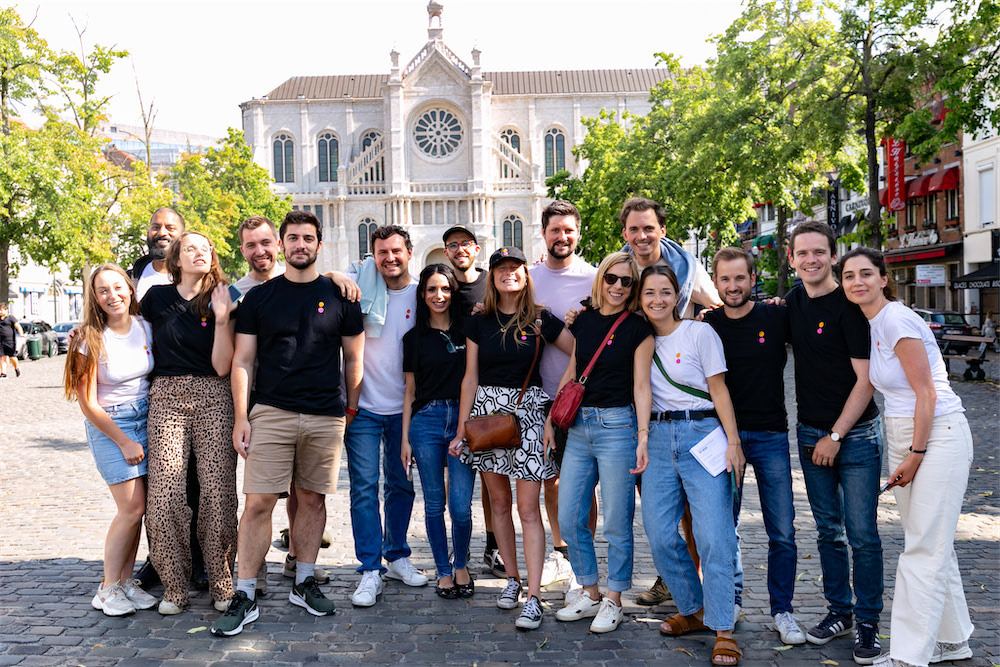
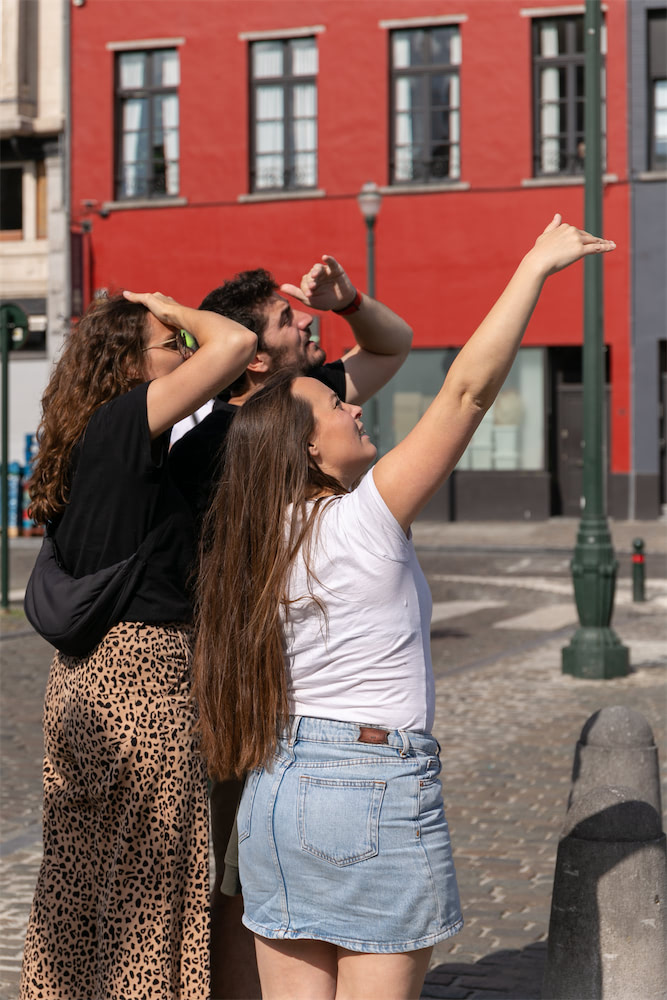
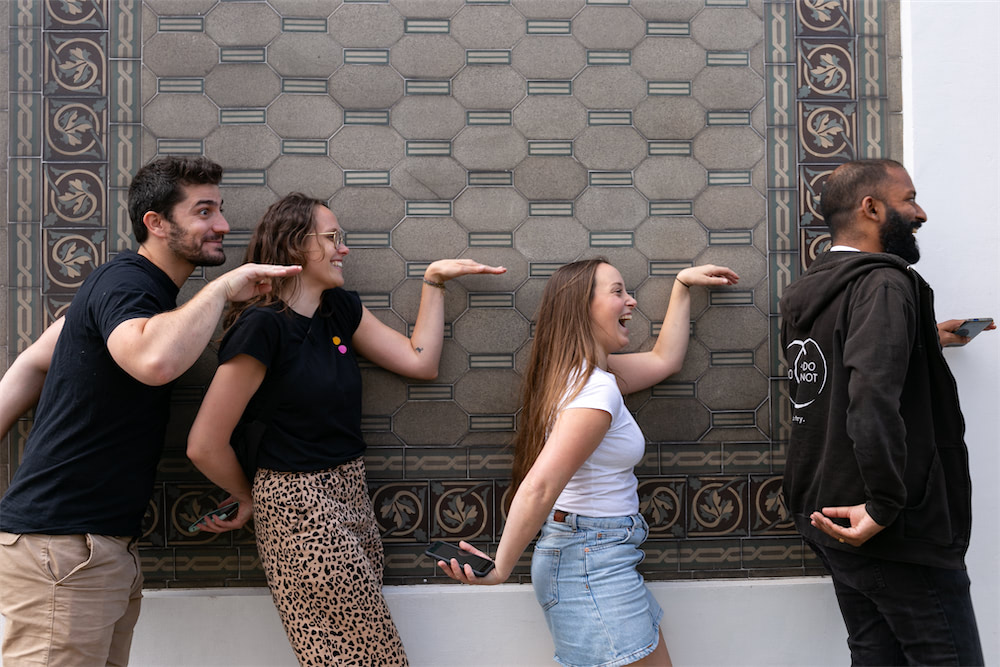
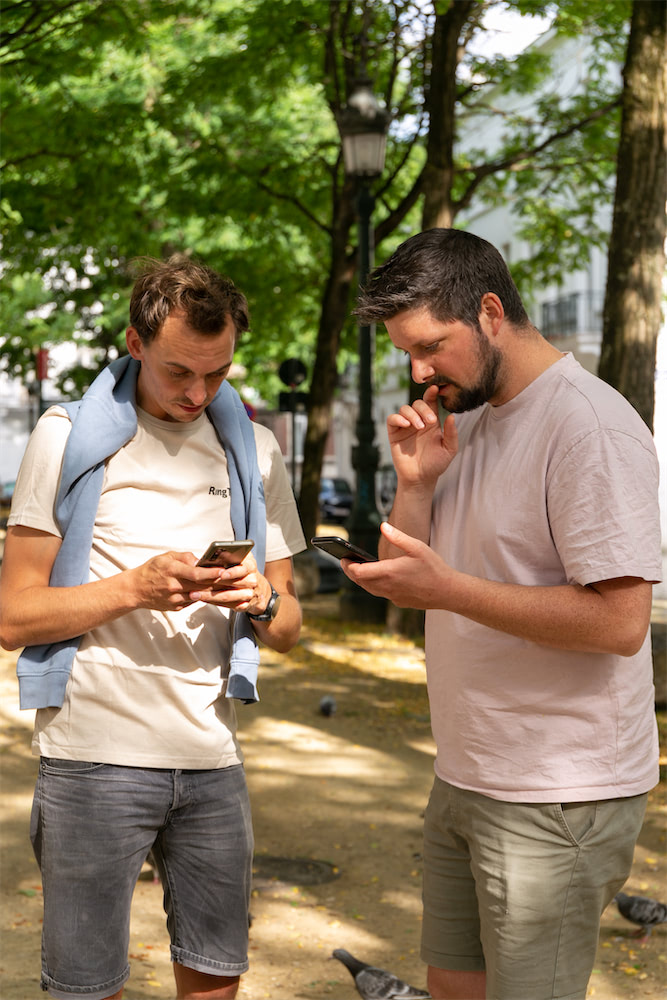
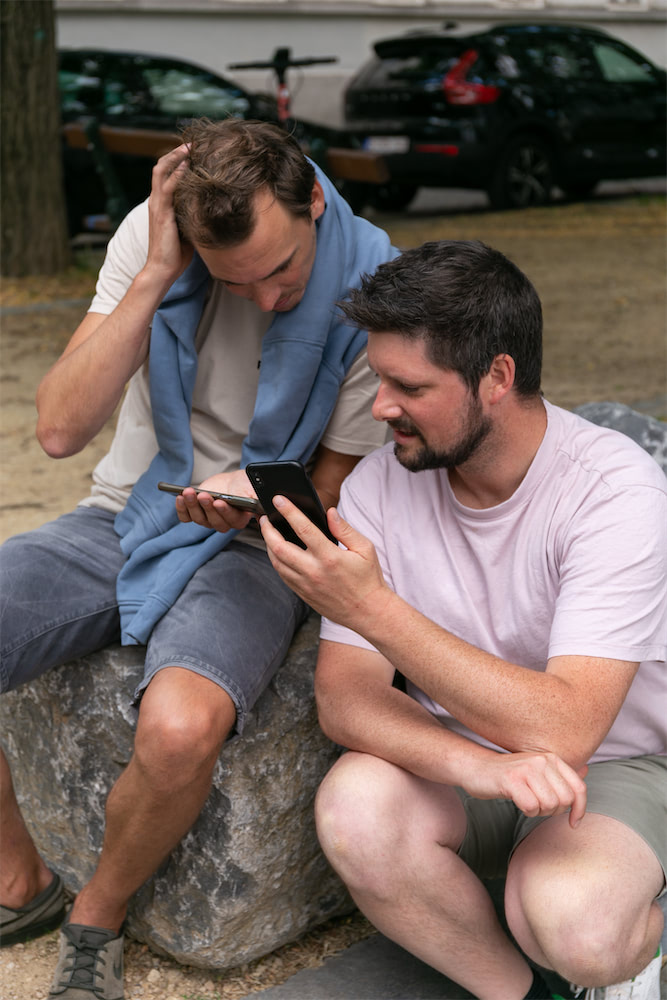
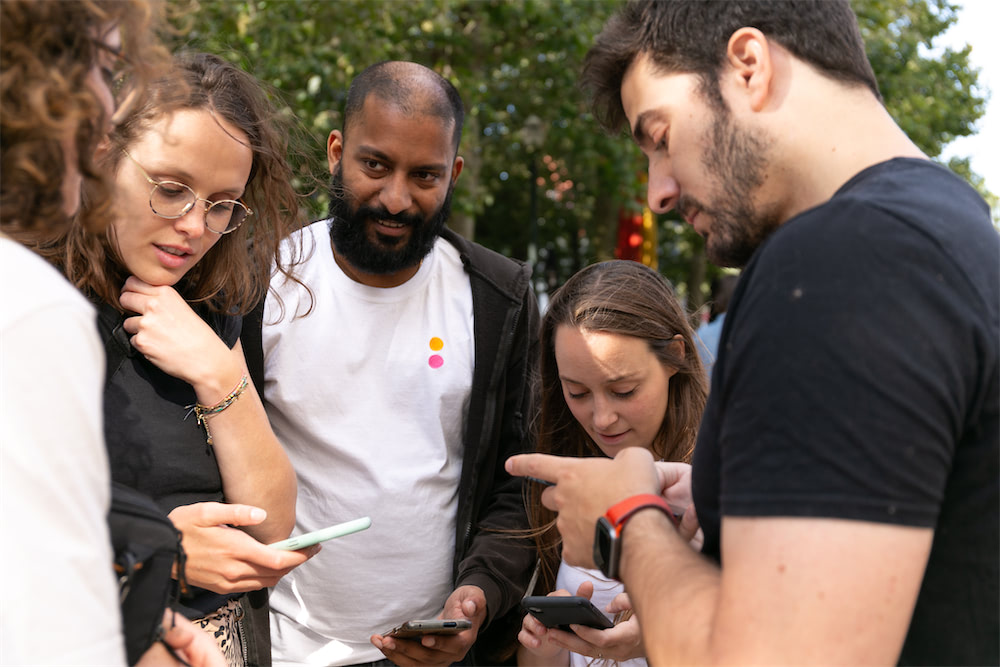
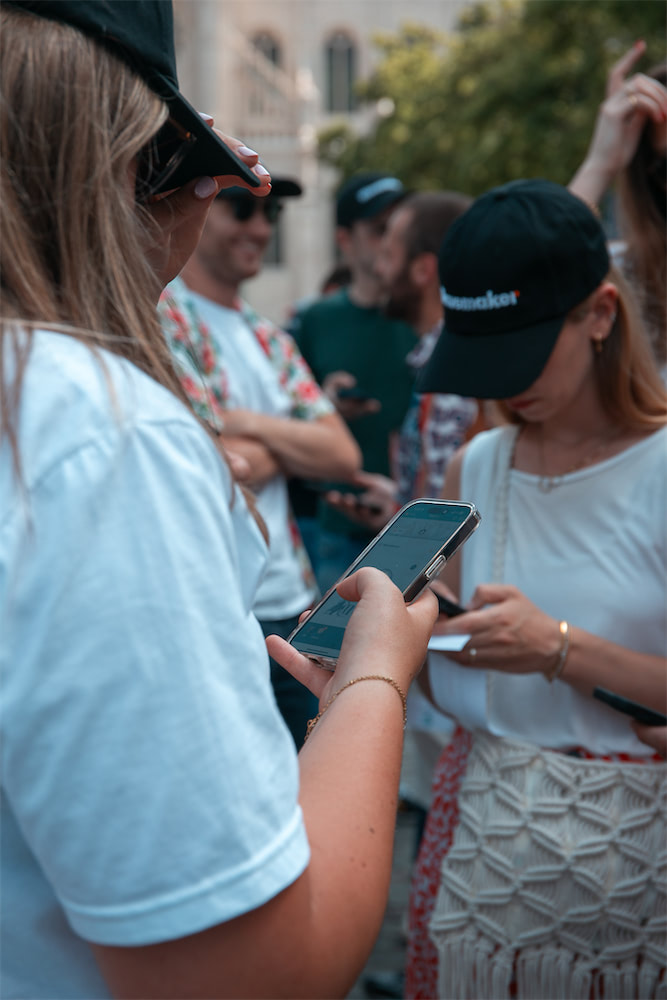
If your team wants to combine exploration, puzzles and collaboration, the outdoor escape games organized by Coddy in Antwerp<\/a> illustrate this type of activity. The game gives the group a shared direction while leaving colleagues room to organize themselves according to their own methods.<\/p>
How do you choose an activity that is truly suitable?<\/h2>
Start by stating the need in simple words. Do you want to welcome new colleagues, bring departments closer, thank a team after a major effort or rebuild connections after a period of change? A clear objective does not make the event rigid. It helps you rule out formats that are appealing but poorly suited to your situation.<\/p>
Next, consider the people invited. Some will enjoy a physical challenge, while others will prefer an activity based on thinking or creativity. Accessibility should be examined as carefully as the theme: mobility, fatigue, weather, schedules, language, dietary restrictions or particular needs may determine actual participation. An inclusive activity does not ask people to justify their presence or absence. It lets them contribute in suitable conditions.<\/p>
The level of competition also deserves an explicit decision. Light rivalry can create energy and add depth to the game. It is less suitable if relationships are tense, if comfort levels with the format vary significantly or if the team culture values mutual help more. In that case, choose a challenge in which groups share resources, progress toward a common result or receive recognition that does not depend only on ranking.<\/p>
The location is part of the experience. A space that is too noisy can hinder an activity requiring listening. A complicated journey can reduce enthusiasm before the event even starts. An urban route may be interesting because it does not require an enclosed room and offers a fresh view of a familiar city. You must nevertheless plan a clear meeting point, a solution in case of difficult weather and honest information about the expected walking.<\/p>
Prepare the setting to encourage engagement<\/h2>
Good preparation starts with an invitation that explains the purpose of the activity. Participants should not discover on site that they will be divided into teams or asked to walk around the city. Present the intention, expected activity level, location and practical details. This transparency reduces apprehension and helps everyone prepare.<\/p>
Team composition deserves particular attention. Letting people choose spontaneously can be reassuring, but it often reproduces groups that already exist. Mixing professions, length of service or workplaces encourages new encounters. However, avoid isolating one person or creating groups whose members have no shared reference points. The balance lies between novelty and a sense of security.<\/p>
Management's role is also decisive. Managers can take part simply, without turning the moment into an informal meeting. Their presence is useful when it shows that everyone can contribute, listen and make mistakes. It becomes less constructive if it imposes constant control or places employees in an observer's position.<\/p>
Give the experience a follow-up<\/h2>
Team building is more valuable when it does not remain isolated. After the activity, a brief discussion can gather what participants appreciated, what surprised them and what they would like to see in daily work. This does not mean overinterpreting every behavior observed during a game. The aim is to identify modest, concrete lessons.<\/p>
For example, you may notice that a team progressed well when it shared information, that an exchange between departments was particularly useful or that some people found a new place within the group. The most important thing is to connect these observations to a realistic action: share information more effectively, invite the relevant colleagues to a meeting more often or maintain time for exchanges between different functions.<\/p>
Participant feedback can also help you prepare the next group moment. Across 418 routes, 38797 ratings left by players produced an average score of 4.23 out of 5. This figure is useful for evaluating how an experience was perceived, but it does not by itself show whether the format met the needs of a particular team. An overall rating should be supplemented by qualitative feedback and by how participants actually engaged.<\/p>
"Great Coddy experience! A wonderful way to discover the cities of Belgium. We organized this game as part of a company team building event, and it was a great opportunity to discover colleagues in a collaborative and competitive spirit."<\/p><\/blockquote>
Team building and team bonding: a useful distinction<\/h2>
The expressions are often used as synonyms because both refer to connections between colleagues. In practice, team building places greater emphasis on building cooperation, while team bonding focuses on the pleasure of being together and developing a sense of belonging. The two approaches can complement each other within the same event.<\/p>
An activity can therefore create good memories while developing group skills. The key is not to dress up a simple entertainment activity in artificial management language, nor to make a friendly experience too serious. To explore the distinction and choose words suited to your intention, read our article on the difference between team bonding and team building<\/a>.<\/p>
Ultimately, a successful team building activity gives people a concrete opportunity to cooperate differently. It is welcoming, suited to the group and connected to a clear intention. Its value does not lie in a spectacular promise, but in the conversations, mutual-help reflexes and working relationships it can improve after the event.<\/p>