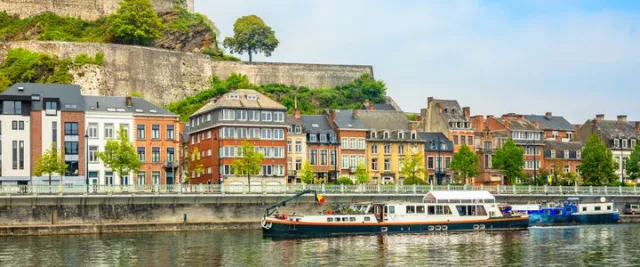








You will visit the most beautiful points of interest in Namur


Three days in Namur: an itinerary to savor the city
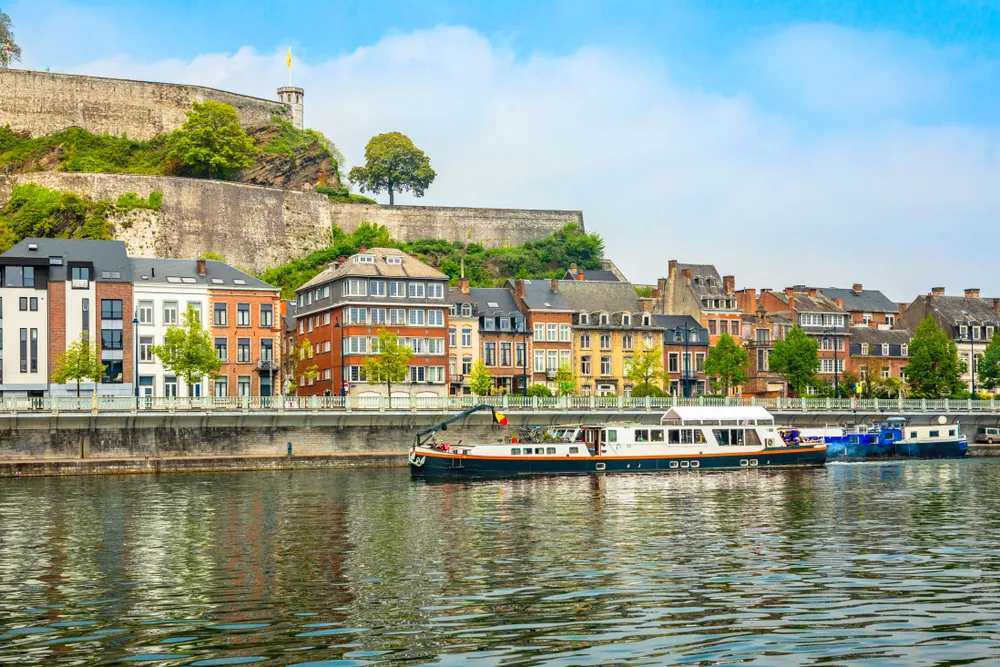
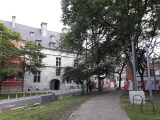
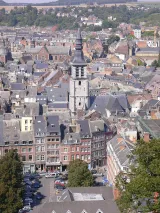
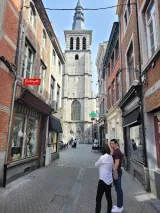
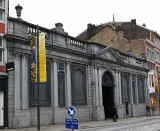
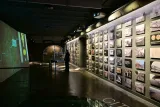
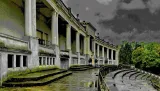
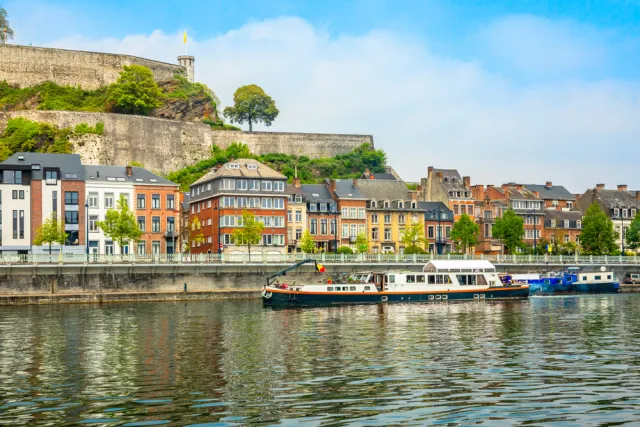
Namur unfolds naturally, by walking and letting the streets surprise you. This three-day itinerary begins at the Hospice Saint-Gilles and ends at the Saint-Loup Church, passing by the Citadel, lively squares and discreet museums. I designed this route to keep a human pace: mornings focused on the major landmarks and afternoons for wandering.
You will alternate panoramas, architecture and small moments of nature: the Louise-Marie Park offers a breath after downtown visits, and the river around the Grognon tells the birth of the city. The chosen places reflect the local soul, not only the obvious attractions.
Each day blends easy walking visits and sections that involve a bit of climb — the Citadel deserves its time — but nothing exhausting. I also provide practical tips for lodging, getting around and tasting the city's specialties, so you can enjoy without rushing.
If you like itineraries that leave room for surprises and unplanned cafés, this three-day plan in Namur should please you: it is designed to let you feel the place while covering the essential sites.
Day-by-day summary
Day 1: Start at the Hospice Saint-Gilles for a gentle opening, walk through the streets toward the Parliament of Wallonia, climb to the Namur Citadel for the views, and finish the morning at the Verdure Theatre. Afternoon free to stroll in town or have a coffee.
Day 2: Start at Namur Station, explore the Moretus Plantin University Library then the Porte de Sambre-et-Meuse. Visit the Le Delta and the Grognon in the morning. Afternoon at Louise-Marie Park and at the Arsenal, with a stop at the Pedro Arrupe Auditorium.
Day 3: Cultural morning with the Namur Royal Theatre, the Marie Spilar Tower and the Provincial Museum of Ancient Arts, then chapel and palace. Afternoon on the central squares: Place Marché aux Légumes, Place de l'Ange, Place de Québec and finally Saint-Loup Church.
Day 1
7 stops
Morning
-
1
Porte de Sambre-et-Meuse
Fortifications · 45 min
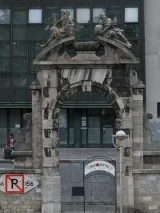
- This Baroque limestone portal, isolated along the Sambre, was designed in 1728 by Namur architect Denis-Georges Bayar.
- Its grooved surround and rusticated one-over-two bosses highlight a key marked with the lion of the town's coat of arms, beneath a curved pediment.
- This pediment features a shell with two old men pouring water, symbolizing the confluence of the Sambre and Meuse rivers.
- The side scrolls, added in the 20th century, are also remarkable.
- Classified as a monument on January 15, 1936.
© Wikimedia Commons
Coddy games passing through
-
2
Citadel of Namur
Fortifications · 45 min
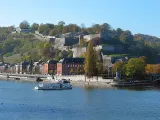
- The citadel of Namur is originally a fortified castle built by the Romans in the 3rd and 4th centuries, so well over 1000 years ago!
- It stands at the confluence of the Sambre and Meuse rivers, overlooking the city of Namur at an altitude of 190 m Its vast network of underground passages earned it the nickname "The termite mound of Europe" by Napoleon I.
- Recently, a cable car (for a fee) has linked Namur city center to the citadel.
© Wikimedia Commons
Coddy games passing through
-
3
Parliament of Wallonia
Event · 45 min
- The Walloon Parliament, or Parlement wallon, is a legislative assembly for the Wallonia region.
- The parliament consists of 75 representatives elected for a five-year term.
- The idea of a Walloon Parliament first appeared at the Walloon Congress of 1912.
- The Council of the Walloon Region was created in 1980, and was officially renamed the Walloon Parliament in 1995.
- The parliament is located in the former Saint-Gilles hospice.
- The Walloon Parliament exercises legislative power by adopting decrees and also votes on the regional budget.
© Wikimedia Commons
Coddy games passing through
-
4
Le Delta - House of Culture
45 min
-
5
Grognon
Landmark · 45 min
- Le Grognon is the historic heart of Namur, located at the confluence of the Meuse and Sambre rivers.
- The former Saint-Gilles hospice here now houses the Parliament of the Walloon region.
- The site was once a collection point for a passage tax on barges.
- The dwellings at the extreme tip of the Grognon were razed in the late 1960s.
- The Notre-Dame church, located in the street of the same name, was the mother church of Namur, but was demolished in 1803.
- Archaeological excavations have revealed a portion of road and cellars dating back to Roman times.
- Test pits have shown occupation of the site dating back to the Mesolithic period, around 6,700 years ago.
© Wikimedia Commons


Afternoon
-
6
Hospice Saint-Gilles
45 min
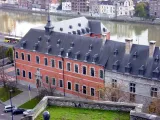
- The Saint-Gilles Hospice is a hospital institution of medieval origin and rebuilt during the Renaissance.Built and opened as a hospital in the 13th century, it became and remained a hospice until 1965.
- Completely renovated, since 1998 it has been the seat of the Parliament of Wallonia.
© Wikimedia Commons
Coddy games passing through
-
7
Namur railway station
Railwaystation · 45 min
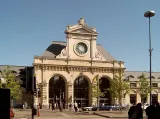
- Located north of the Corbeille (Namur's historic center), the railway groove is established on an old branch of the Sambre that formerly girdled the northern wall of the city.The station is an essential part of the Walloon network due to its geographical location: the lines connecting the east-west and north-south parts of the Walloon territory all pass through Namur.
© Wikimedia Commons

Day 2
10 stops
Morning
-
8
Saint-Jean-Baptiste Church
Religion · 30 min
- Built in the 13th century, it has been restored several times, most recently in 1890.
- The church is attached to the Diocese of Namur.
- It features paintings attributed to Cornelis Schut and Villebours, pupils of Rubens.
- The church is the venue for the celebration of Mass in Walloon during the Walloon Festivals, a tradition that dates back to 1952.
© Wikimedia Commons
Coddy games passing through
-
9
Place de Québec
45 min
- In 2008, Quebec City mayor Régis Lebeaume visited Namur to promote his city's 400th anniversary.
- To mark the occasion, the mayor inaugurated the Place de Québec in Namur, a symbol of the friendship between the two cities.
- A huge fresco then appeared there, based on a painting by Dan Brault.
- The artist incorporated elements of his everyday life into the fresco, such as a bear he met while fishing and the flowers on his apple tree.
- The fresco was created by the Propaganza collective from Braine l'Alleud.
- The square also features 4 poem-chairs paying tribute to the Namur-born poet Henri Michaux.
Coddy games passing through
-
10
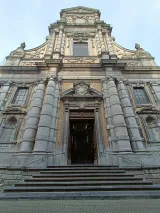
Saint-Loup Church
Religion · 30 min
- The church took 20 years to build, from 1621 to 1641, and its decoration and furnishings were completed thirty years later.
- For a century and a half, the church served the liturgical, spiritual and apostolic activities of the Jesuits who worked at the adjoining college.
- In 1773, the Society of Jesus was suppressed and the Jesuits had to leave the church and college in Namur.
- Saint-Loup church was assigned to the parish priest and parishioners.
- Saint-Loup church is described as a masterpiece of Jesuit architecture in Victor Hugo's novel "Les Misérables".
© Wikimedia Commons
Coddy games passing through
-
11
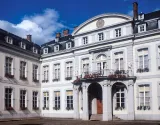
Provincial Palace
45 min
- The Provincial Palace of Namur is a Renaissance-style building located on Place Saint-Aubain.
- Built in the 18th century as an episcopal palace, in 1814 it became the seat of the government of the province of Namur, a function it retains to this day. In 1728, Monsignor Thomas de Strickland de Sizerghe, twelfth bishop of Namur, began construction of the episcopal palace, completed in 1732 by the architect Jean-Thomas Maljean.
- Despite financial difficulties, the cathedral of Saint-Aubain was built in 1750, and the palace was completed by Monsignor de Lobkowitz.
- During the French occupation, the palace lost its episcopal ownership and became the seat of the administration of the department of Sambre-et-Meuse.
- In 1937, the left wing of the palace was rebuilt by governor François Bovesse, following Remacle Le Loup's plan of 1740.
Coddy games passing through
-
12
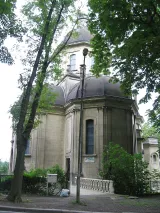
Chapelle Sainte-Thérèse
Religion · 30 min
- The Sainte-Thérèse chapel was built between 1926 and 1928 and has become an important place of pilgrimage in the Namur diocese.
- It is the first place of public veneration of Saint Thérèse of Lisieux outside Lisieux.
- The chapel is in the Greek cross style and is built of concrete.
- Since its consecration in 1928, the chapel has welcomed many pilgrims and has a series of ex-voto testifying to the graces received.
© Wikimedia Commons


Afternoon
-
13
Place Maurice Servais
45 min
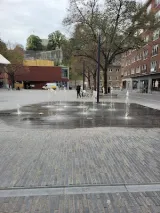
- Namur's Place Maurice Servais was inaugurated in October 2022 after its renovation as a friendly pedestrian space.
- Since 2023, the kiosk has hosted "musical lunches" with a varied musical program, whose performances are acoustic or use the amplification equipment of participating bands and brass bands.
- It is also the departure point for the citadel cable car.
- Maurice Servais was a Belgian painter and sculptor born in Namur in 1882, and a leading figure on the Belgian art scene.
- Servais was also involved in the resistance movement during the Second World War, and was arrested by the Gestapo in 1944.
- He was later released, but his health had deteriorated and he died in 1946.
- Namur has thus honored his legacy by naming a street after him and displaying his statue of Saint Georges in the city center.
Coddy games passing through
-
14
Vegetable Market Square
45 min
- Place Marché-aux-légumes was created in 1781 and is located in Namur's oldest district.
- In 1992, when six diseased lime trees were felled, archaeological excavations revealed an ossuary containing remains of the former Saint-Loup cemetery and Gallo-Roman remains.
- The square is surrounded by houses dating from the 18th and 19th centuries, housing mainly restaurants and bars with terraces.
- The 13th-century Church of St.
- John the Baptist occupies the entire eastern side of the square.
- In the center of the square stands a monumental former public pump dating from the late 18th century.
- Also on the square is the Café Ratin-tot, the oldest café in town!
- It dates back to 1616.
Coddy games passing through
-
15
Arsenal of Namur
Historic architecture · 45 min
- Following the victorious siege of Namur during the War of the League of Augsburg (1692), Louis XIV decided to make Namur the most important stronghold in the Southern Netherlands.
- The Arsenal was part of the works undertaken by military architect Vauban.
- The first floor of the Arsenal housed heavy equipment, while ammunition was stored upstairs.
- A bridge provided direct access to the Sambre to facilitate the supply of ammunition.
- Today, the first floor of the Arsenal houses a university restaurant that can accommodate several hundred people, while the first floor houses conference and congress rooms.
- The Arsenal of Namur is an emblematic site of the city, bearing witness to its military history and architectural importance.
© Wikimedia Commons
Coddy games passing through
-
16
Auditoire Pedro Arrupe
45 min
- Pedro Arrupe (1907-1991) was a Spanish Jesuit priest.
- Born in Bilbao, Spain, he was sent to study in Belgium as a young man and was ordained a priest in 1936.
- After studying medicine in Madrid, he volunteered as a missionary in Japan, where he was stationed in Hiroshima when the atomic bomb was dropped in 1945.
- This event left a deep impression on him and influenced his subsequent work of social justice, especially to the poor.
-
17
Moretus Plantin University Library
Landmark · 45 min
- The "BUMP" is the library of the University of Namur.
- Father Henri Moretus Plantin was initially a professor at the Jesuit College of Namur, then director of the Faculty History Seminar.
- He then created a new scientific and central library, which he later enriched with valuable works and documents from Germany, France as well as Austria, England and Italy.
- Today, it boasts over 1,500,000 works.
© Wikimedia Commons
Coddy games passing through
Day 3
6 stops
Morning
-
18
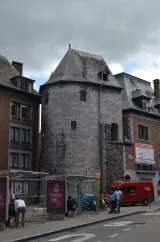
Marie Spilar Tower
45 min
- The Marie Spilar Tower is a remarkable building made of limestone rubble, pierced with mortar holes, and topped with a beautiful slate roof.This tower was originally part of the third line of fortificationsof the city, made in the Medieval period.The Tower owes its name to the owner of the land behind which the tower was placed.It is a fine two-story defensive corner tower, forming a semicircle.
- It was built in the XIVth century by the architect Henri Merial, the same period as the Belfry and the Tour de la Monnaie, which are the last "standing" remains of the old fortified enclosure.
© Wikimedia Commons
Coddy games passing through
-
19
Place de l'Ange
45 min
- In the 13th century, a market was located on this square, around a central hall belonging to the Count of Namur.
- The Count of Namur had the hall transferred inside the fortifications in the 13th century, transforming the square into a block of houses.
- In 1740, a pump topped by an angel statuette was installed on the square, replaced in 1791 by a new pump designed by Namur sculptor François-Joseph Denis, renovated in 2011.
- The Place de l'Ange has been listed since 1936 for its historical, archaeological and artistic value.
Coddy games passing through
-
20
Provincial Museum of Ancient Arts
Museums · 1h30
- The museum preserves, studies and presents the artistic productions of the masters and workshops of the Burgundian Netherlands, particularly the Namur region, from the 12th to the 16th centuries (Middle Ages and Renaissance).
- On display are paintings, brass dinanderies, wooden religious sculptures, altarpieces, glass painting, gold embroidery and other artifacts from medieval guilds.
- In summer 2010, the collection was enriched by the Treasure of Hugo d'Oignies, and the museum became the TreM.a (Treasures of the Middle Ages).
© Wikimedia Commons
Coddy games passing through
-
21
Namur Open-Air Theatre
45 min
- This open-air theater was built in 1908 and hosts a variety of cultural events.
- Originally, the theater hosted operas, dance concerts and variety shows.
- Since 1985, the Verdur Rock festival has been held here.
Coddy games passing through
-
22
Terra Nova
45 min
- Former barracks, now a cvisitor center, offering free or guided tours.
- Terra Nova offers a multimedia dive into Namur's past, present and future, with maps, videos, audio testimonials and historical traces.
- A riddle, "Mysterious death at the citadel", can be solved for a chance to win a gift.
Coddy games passing through
Afternoon
-
23
Royal Theatre of Namur
Theatres and entertainments · 45 min
- One of Europe's last and finest theaters fitted out in the Italian style (19th century) in sandstone, a rare material in Namur.
- In 1822, the Council of Regency decided to build a building in Namur dedicated entirely and exclusively to the performing arts and music.
- The Namur theater burns down in 1860 and 1862, but is rebuilt in 1863.
- The theater is located on the site of a former convent destroyed during the French Revolution, called the Annonciades convent.
- The theater's façade is neoclassical, in yellow limestone, with a portico of Doric columns and statues of the muses Euterpe and Thalie.
- The theater's large Italian-style auditorium features a Second Empire style with four successively recessed balconies and an arched cupola adorned with a painted canvas.
- The theater offers some sixty theater, dance, circus, concert and children's shows each season.
- It is also home to Benoît Poelvoorde's Intime festival.
© Wikimedia Commons
Coddy games passing through
Practical details for visiting Namur
Where to stay
For three days in Namur, favor central neighborhoods around the old town: the station and the Grognon area are convenient for arrivals and departures, while the area around Place Marché aux Légumes and Parc Louise-Marie offers walkable access to the main sites. Expect options ranging from independent hotels, to small chains and welcoming bed and breakfasts. If you like quiet, look for accommodation facing gardens rather than on a large square.
For tighter budgets, look for aparthotels or homestays; for a more comfortable stay, choose a hotel near the Parliament or the Royal Theatre. Prices vary by season: in low season you can find budget rooms, in high season more comfortable options. Ideally book in the center if you want to spend your days on foot — you'll save time and fully enjoy the evenings.
Practical tip: check proximity to a bus stop if you plan trips outside the center. Finally, favor establishments that mention parking if you are coming by car.
Getting around
Namur is ideally explored on foot: the center is compact and most of the program's points of interest are accessible without transport. To reach more distant places, the city has a practical local bus network. Namur Station is a central hub for arrivals by train and for regional excursions. Remember to check schedules and frequency of lines depending on the time.
Cycling is a good option if you are comfortable with a few slopes: the city offers bike lanes and rental shops. For the Citadel, it's best to plan a walk or use the shuttle service if available — the effort is rewarded with panoramic views. Taxis remain available for occasional evening trips.
Key points: favor walking for the historic center, use the buses to reach peripheral neighborhoods, and cycling if you want more freedom. Keep a local transport app or a paper map handy, and remember to check train times at the station.
What to bring
For three days in Namur, prepare to alternate urban visits and outdoor moments. Bring comfortable shoes for walking on cobblestones and climbs toward the Citadel. Pack a coat or light waterproof jacket depending on the season, as the weather can change quickly.
All year round, a small water bottle, a light backpack and a portable charger are essentials. If you visit museums and religious sites, bring a covering garment as needed. For theatre evenings or a night out at the Delta, plan for somewhat smarter attire.
Practical tips: a pair of walking shoes, a warm layer, a waterproof windbreaker, adapters if needed, and small accessories like a compact umbrella. Don’t forget your travel documents and, if you plan to bike, light gloves and a lock. These basics will help you stay comfortable, mobile and ready to enjoy.
Advance reservations
On a short three-day stay, planning a few reservations avoids wasted time. Book your accommodation well in advance, especially if your visit coincides with a local event or weekend. For cultural outings, consider buying tickets for the Namur Royal Theatre or performances at Le Delta - Espace Culturel Provincial: popular shows can sell out.
If you have a favorite restaurant in mind, especially in busy neighborhoods, a dinner reservation is worthwhile. Some museums or temporary exhibitions also require timed reservations: check official sites the week before your arrival. Finally, if you want to visit the Citadel with a guide or take a shuttle, check in advance to secure your slot.
In short: accommodation, popular shows, restaurants and guided tours are the priorities to book in advance. A little planning will let you enjoy fully without stress.
Must-see extras
Beyond the main itinerary, Namur is full of small experiences that add depth to the trip. Walk along the Grognon at sunrise or sunset to feel the confluence of the waterways. Wander the lanes around Place Marché aux Légumes to discover independent shops and artisan workshops.
For a unique activity, try Coddy's urban escape games: they blend play and urban discovery and are perfect for exploring the city in a playful way. Local markets punctuate the week depending on days — go take a look for atmosphere and fresh products.
Other ideas: small concerts in local bars, temporary exhibitions at Le Delta, and strolls in Parc Louise-Marie. These extras are pleasant ways to add lived experience to your visit.
Local delights
Namur offers generous terroir cuisine and options for all budgets. Don’t miss local bakeries for fresh pastries in the morning, and treat yourself to brasserie-style dishes for lunch. The small restaurants in the center often serve simple and comforting regional dishes, perfect after a morning of walking.
For gourmets, look for places that showcase local products: cheeses, charcuterie and artisan breads. Beer bars offer a nice selection of craft beers and microbreweries — a local way to end a day. Markets on the squares are great spots to taste and chat with locals.
Tip: favor establishments that work with local producers for a more authentic experience. Between pastry, a brasserie plate and a local beer, you'll get a good view of Namur's flavors.
When to visit Namur and how much it costs
Best seasons
Namur is pleasantly visited in spring and autumn: these seasons offer a good balance between mild weather, pleasant light and fewer crowds. Spring brings flowers and longer days, ideal for enjoying panoramas from the Citadel. Autumn colors the parks and walks are very pleasant. Summer is bright and festive, but can be livelier, especially during cultural events. Winter is calm and often perfect for budget travel, but days are shorter and some attractions may have reduced hours.
Consider your priorities: if you prefer terraces and cultural activity, summer will bring a real festive vibe; if you're looking for quiet strolls and softer prices, favor spring or autumn. In all seasons, plan for a bit of rain protection and adjust your activities accordingly.
Crowds
Attendance varies by period: weekends and public holidays attract more visitors, especially around central squares and the Citadel. Peak tourist seasons, such as summer, see higher crowds, especially during cultural events and concerts. On weekdays, the city breathes more and it is easier to explore museums and cafés without queues.
To avoid crowds, prioritize morning visits for popular sites and afternoons to stroll through calmer neighborhoods. Winter periods and school holidays are the least busy, offering a more intimate experience of the city. Finally, book ahead for popular performances and restaurants to avoid being surprised by the crowds.
Estimated budget
- Budget travel
- <h3>Budget</h3><p>Economic budget: For a smart stay, aim for homestays or hostels and eat at bistros or at markets. Plan around 60-90 € per day for basic accommodation, simple meals and local transport. Many downtown activities are free or inexpensive if you favor walking and public spaces.</p>
- Mid-range budget
- <h3>Budget</h3><p>Medium budget: With moderate comfort, expect 2-3 star hotels or well-located apartments, meals at local restaurants and a few paid visits. Plan around 120-180 € per day for a good balance between comfort and experiences, including tickets and occasional travel.</p>
- Comfort budget
- <h3>Comfort budget</h3><p>For more ease, choose a charming hotel or a higher-end address, dine at recommended restaurants and attend performances. Budget around 220 € per day or more depending on your choices of accommodation and activities. This budget lets you experience Namur without constraints, with reservations for evenings and easier trips.</p>
Frequently asked questions about your stay in Namur
Last tips to enjoy Namur
In closing these three days, remember this: take your time. Namur unfolds in small touches, between squares, ramparts and cafés. The itinerary guides you toward the essentials — Hospice Saint-Gilles, Citadel, Royal Theatre, central squares and Saint-Loup Church — while leaving room for spontaneous discovery. Keep a pace that allows you to enter a museum without rushing, linger on a terrace and change plans if a street catches your eye.
Some simple gestures make the stay more pleasant: favor walking to feel the city, reserve important evenings and sample local specialties. If you're seeking a playful touch, add Coddy's urban escape game to reinvent the visit. Finally, leave room for the unexpected — that's often where the best memories are woven.
Safe travels in Namur: may these three days be paced by curiosity, relaxation and some culinary discoveries that will make you want to return.