







Vous allez visiter les plus beaux points d'intérêt de Bruges

2 Days in Bruges: A Walk Through Canals, Squares, and Quiet Corners
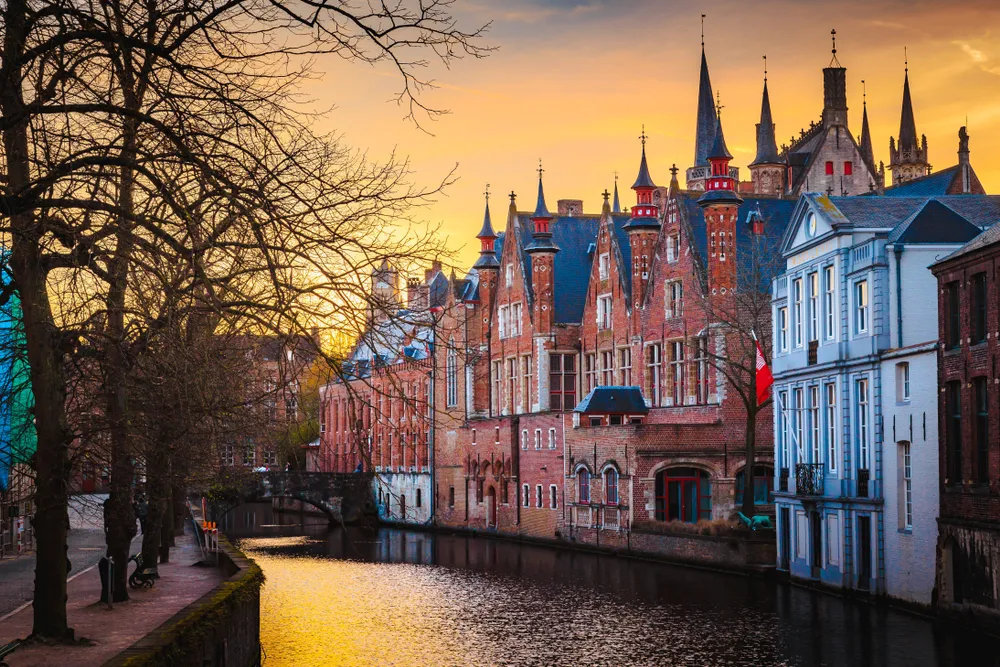
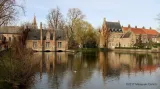
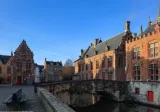
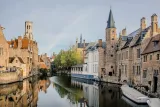
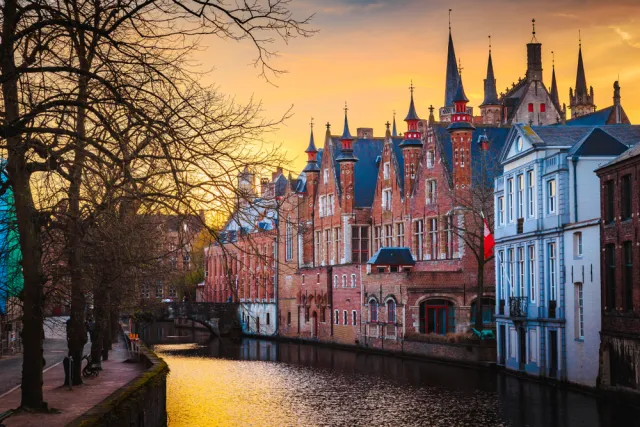
Bruges is the kind of city that makes you slow down almost without noticing. On a first visit, it’s easy to be drawn in by the famous canals and postcard views, but what stays with you is the rhythm of the place: a morning stroll past old facades, a pause in a peaceful square, the feeling that each street opens onto something smaller and more intimate than the last. This 2-day Bruges itinerary is designed exactly for that mood, starting at Jan Van Eyck and ending at Groeninge Museum, with a route that balances the well-known sights with places that feel more lived-in and local.
Over two days, you’ll move from market squares and heritage streets to museums, gardens, a brewery, and some of the city’s quieter landmarks. Day 1 brings you through the historic center, with stops like Burg Square, the Belfry of Bruges, and the Vismarkt, plus a few places that add texture to the city, like Hof Bladelin and Koningin Astridpark. Day 2 shifts into a gentler pace, beginning with De Halve Maan brewery and Ten Wijngaerde Beguinage, then weaving through canal-side views and cultural stops such as Concertgebouw, Arentshuis, and Groeninge Museum.
What makes this Bruges itinerary work well is the mix of history, walkability, and small surprises. You’re never too far from water, old stone, or a quiet square, but the days still feel varied. There’s room for a museum break, a coffee stop, a lunch around the center, and enough movement to keep the city changing as you go. If you like city trips that feel compact but full, Bruges is an easy place to enjoy at a relaxed pace.
You don’t need to rush here. The pleasure is in how naturally one place leads to the next, and in how Bruges seems to reward anyone willing to keep walking just a little farther.
2-Day Bruges Itinerary at a Glance
Day 1 is a classic first look at Bruges, but with enough variety to keep it from feeling rushed. You begin at Jan Van Eyck, then move through Woensdagmarkt and Hof Bladelin before reaching Vette Vispoort and Koningin Astridpark. In the afternoon, the route becomes more central and historic, with stops at the French Fries Museum, Lumina Domestica, Burg Square, Vismarkt, and the Belfry of Bruges. It’s a day shaped by old streets, civic landmarks, and a few playful or unexpected places that keep Bruges from feeling too formal.
Day 2 feels calmer and more reflective. The morning starts with De Halve Maan brewery and continues to Ten Wijngaerde Beguinage, Sashuis, Concertgebouw, and Dijver. These stops bring together beer culture, quiet heritage spaces, and canal-side walking. The afternoon stays elegant and art-focused with Simon Stevin Square, Arentshuis, and Groeninge Museum, which makes for a strong ending to the trip. If you like to travel at a thoughtful pace, this itinerary gives you a good sense of Bruges history, Bruges museums, and the city’s softer everyday atmosphere.
Jour 1
10 étapes
Matin
-
1
Place Simon Stevin
Historic · 15 min
- La place Simon Stevinplein est située entre la Steenstraat et la Oude Burg. Sur la place se trouve une statue de Simon Stevin, né en 1548 à Bruges.
- Simon Stevin était un pionnier dans de nombreux domaines tels que les mathématiques, la physique, la construction de fortifications, la géométrie et l'ingénierie hydraulique.
- Stevin a utilisé l'image du 'clootcrans' (chaîne de billes) comme emblème personnel.
- Le clootcransbewijs est un experiment pour illustrer le fonctionnement des forces sur des objets en pente.
- La thèse principale est que deux objets sur des pentes sont en équilibre si leurs poids sont proportionnels aux longueurs des pentes.
- Simon Stevin utilise le pouvoir d'imagination et d'expérience pratique de son public, ainsi que le raisonnement par l'absurde dans sa démonstration.
© Wikimedia Commons
Jeux Coddy passant par ici
-
2
Cathédrale Saint-Sauveur
Religion · 1h30
- Bâtie au Xe siècle elle est la plus ancienne église de Bruges.
- D'abord église paroissiale, elle devint le siège de l'évêché de Bruges au début du XIXe siècle, après la destruction de la cathédrale Saint-Donatien lors de l'occupation française en 1799.
- La cathédrale est principalement de style gothique avec des éléments romans.
- La tour ouest, de style roman-gothique, mesure 79 mètres.
- La cathédrale abrite de nombreuses œuvres d'art, dont des tapisseries et des peintures de maîtres tels que Rogier Van der Weyden et Hugo van der Goes.
© Wikimedia Commons
Jeux Coddy passant par ici
-
3
Biskajersplein
45 min
- Le Biskajersplein est une petite place située dans le centre de Bruges, qui fut autrefois le quartier espagnol en raison de la présence de "maisons nationales" pour les commerçants de Biscaye, de Castille et de Navarre.
- Concrètement, des commerçants de Biscaye (Espagne), achetèrent deux maisons en 1494 pour en faire leur maison nationale vers 1512.
- C'est de là que provient le nom de la place.
- La place est restée largement intacte jusqu'en 1837.
- Le célèbre humaniste Hubertus Goltzius avait son imprimerie sur le Biskajersplein en 1562.
Jeux Coddy passant par ici
-
4
Concertgebouw
Theatres and entertainments · 45 min
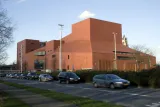
- Le Concertgebouw de Bruges est un centre international de musique et d'arts scéniques.
- Le Concertgebouw abrite également un café et une salle d'exposition d'art contemporain au sommet de la tour, offrant une vue panoramique sur la ville.
- Grâce à des caractéristiques architecturales spéciales, telles que les 4 696 ressorts sur lesquels repose tout le bâtiment, le Concertgebouw offre une acoustique exceptionnelle et est classé parmi les meilleurs au monde dans ce domaine.
- Le bâtiment a été construit en 2002, à l'occasion de la capitale culturelle européenne de Bruges.
- Certaines personnes trouvent que la structure lourde du bâtiment ne s'accorde pas bien avec le contexte historique de la ville, mais d'autres apprécient les façades recouvertes de milliers de tuiles rouges en terre cuite.
- Pour l'ouverture du bâtiment, une bière spéciale a été brassée, appelée "bière terracotta", en référence aux tuiles en terre cuite.
© Wikimedia Commons
Jeux Coddy passant par ici
-
5
Vette Vispoort
45 min
- En 1434, Joris Fierens et Maria Van Leeuwerghem ont fondé un "godshuis" (lieu de culte) pour quatre veuves pauvres dans la Klaverstraat et l'ont donné à l'armendis de l'église Saint-Jacques.
- Vers 1600, les administrateurs de l'armendis ont jugé les maisons trop délabrées et en 1618, ils ont déménagé le godshuis dans les maisons situées dans la Moerstraat, sous le nom de 'de Vette Vischpoort', qu'ils ont achetées.
- Les maisons sont situées en face de la porte de la sacristie de l'église Saint-Jacques, derrière une entrée avec un portail en bois et le long d'un petit chemin pavé.
- Il s'agit de quatre maisons d'un étage avec une disposition en L, datant probablement du XVIe siècle.
Jeux Coddy passant par ici


Après-midi
-
6
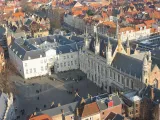
Place du Bourg
Squares · 45 min
- Le Burg est une place et une ancienne forteresse à Bruges, située sur un ancien carrefour stratégique.
- La forteresse fut agrandie sous Arnulf I (889-965) et devint un centre de pouvoir avec une partie civile et une partie ecclésiastique.
- À partir du XIe siècle, une des résidences des comtes de Flandre, Het Steen, y était située, sur le côté ouest.
- La place du Burg est entourée de bâtiments historiques, tels que l'ancienne Maison du Brugse Vrije, l'ancien Greffe Civil, l'hôtel de ville, la basilique du Saint-Sang et la chapelle Saint-Basile, ainsi que l'ancien Provoostdij Saint-Donat.
© Wikimedia Commons
Jeux Coddy passant par ici
-
7
Woensdagmarkt
45 min
- De Woensdagmarkt est une place qui tire son nom actuel du marché du mercredi. Sur la place se trouve une statue de Hans Memling.
- Hans Memling (1430/40-1494) est considéré comme l'un des grands peintres de l'art flamand ancien, également connu sous le nom de Primitifs flamands.
- Il a vécu notamment à Bruges.
- Célèbre pour ses triptyques, notamment "Le Triptyque de l'hôpital Saint-Jean", "Le Triptyque de la résurrection" et "La Vierge avec le donateur".
Jeux Coddy passant par ici
-
8
Hof Bladelin
Museums · 1h30
- Le Hof Bladelin est un palais urbain construit en 1435 à Bruges sur ordre de Pieter Bladelin.
- En 1466, il est devenu une succursale bancaire de la famille Médicis de Florence.
- Pieter Bladelin était conseiller de Philippe le Bon et trésorier de l'Ordre de la Toison d'or, l'une des personnes les plus riches des Pays-Bas bourguignons.
- Il a fondé une nouvelle ville, Middelbourg sur des terres asséchées au nord-est de Bruges, et y a construit un château en 1448.
- L'intérieur du Hof Bladelin comprend des clés de poutre avec les armoiries de Philippe le Bon et d'Isabelle du Portugal, ainsi que des peintures maniéristes du xvie siècle.
- Le Hof Bladelin renferme également une huile sur bois attribuée au peintre brugeois Jacob Van Oost, intitulée L'Adoration des bergers.
© Wikimedia Commons
Jeux Coddy passant par ici
-
9
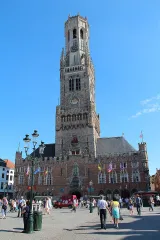
Beffroi de Bruges
Towers · 45 min
- Le Beffroi de Bruges, également connu sous le nom de Halletoren, est situé sur la Grand-Place de Bruges. Le Beffroi de Bruges a été construit en remplacement de halles en bois par un complexe en pierre avec une flèche en bois symbolisant la prospérité de la ville.
- C'est la tour la plus importante de Bruges.
- Elle date du XIIIe siècle et mesure 83 mètres de haut.
- Ceux qui graviront ses 366 marches seront récompensés par une vue époustouflante sur Bruges et ses environs.
- D'ailleurs, la tour a également servi de poste d'observation pour détecter les ennemis approchant la ville et pour détecter les incendies.
- En chemin, arrêtez-vous dans la trésorerie qui abritait les chartes, les sceaux et les coffres de la ville au Moyen-Âge. Découvrez l’impressionnant rouleau de musique du carillon et le clavier sur lequel le carillonneur de la ville joue ses 47 cloches.
© Wikimedia Commons
Jeux Coddy passant par ici
-
10
Historium
Museums · 1h30
- Le Historium est une attraction culturelle située sur la Grand-Place de Bruges.
- Il propose sept espaces thématiques racontant une histoire à travers des films, des décors et des effets spéciaux.
- À travers différentes expériences, on découvre l'effervescence de Bruges pendant l'Âge d'Or au temps de Jan Van Eyck.
- Depuis 2015, il propose une expérience de réalité virtuelle montrant à quoi ressemblait Bruges en 1435.
- Depuis 2019, les visiteurs peuvent monter les 145 marches de la tour gothique.
© Wikimedia Commons
Jeux Coddy passant par ici
Jour 2
9 étapes
Matin
-
11
Béguinage Ten Wijngaerde
Religion · 45 min
- Le béguinage de Bruges (appelé enclos de la Vigne, ou en néerlandais De Wijngaard) constitue encore aujourd’hui un espace clos séparé de la ville.
- Le béguinage abrite une église dédiée à sainte Elisabeth de Hongrie, ainsi qu'une trentaine de maisons blanches datant des 16e, 17e et 18e siècles.
- L'église du béguinage est un mélange d'architecture gothique et baroque.
- Le béguinage a une histoire remontant au 13e siècle, avec une communauté de femmes dévouées qui s'engageaient dans l'industrie textile pour subvenir à leurs besoins.
- Les béguines brugeoises ont bouleversé l’ordre moral de l’Église, révolutionné les mentalités et modifié le paysage de nombreuses villes de Flandre.
- Au 20e siècle, la communauté de béguines s'est réduite à quelques femmes âgées, et des efforts ont été faits pour attirer de nouvelles membres.
© Wikimedia Commons
Jeux Coddy passant par ici
-
12
Sashuis
45 min
- Un sashuis est une résidence d'un maître d'écluse ou d'un éclusier.
- Si c'est une écluse de vidange, le bâtiment est parfois appelé "spuihuis".
- Le sashuis peut former un ensemble avec l'écluse ou les portes de l'écluse, comme c'est le cas ici.
Jeux Coddy passant par ici
-
13
Huidenvettersplein
45 min
- Le Huidenvettersplein ("Place des tanneurs" en néerlandais) est une place au centre de Bruges.
- En 1302, la place est attribuée en bail emphytéotique aux tanneurs pour qu'ils y exercent leur métier et s'y réunissent. La place a une atmosphère fermée et intimiste, donnant l'impression d'une cour intérieure plutôt que d'un lieu public.
- Au centre de la place se trouve une colonne sur laquelle se dressent deux lions.
- Elle aurait été utilisée pour peser les peaux.
Jeux Coddy passant par ici
-
14
Koningin Astridpark
45 min
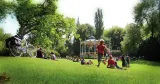
- Le parc de la Reine Astrid a survécu comme jardin de couvent à travers des siècles de développement urbain.
- Le parc a été acheté par la ville en 1850 et aménagé en parc public.
- Le parc a été officiellement nommé en l'honneur de la reine Astrid après sa mort en 1935.
- Le parc abrite l'Église Sainte-Madeleine ("Heilige Magdalenakerk").
Jeux Coddy passant par ici
-
15
Vismarkt
Unclassified objects · 45 min
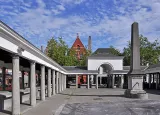
- Le Vismarkt est le Marché aux poissons de Bruges.
- L'emplacement de la vismarkt a été déplacé plusieurs fois jusqu'à ce qu'elle soit établie à son emplacement actuel avec une colonnade couverte en 1821.
- Il est toujours utilisé quotidiennement - du lundi au samedi - pour la vente de poissons frais.
- Outre la vente de poissons, la colonnade couverte sert également de vitrine pour toutes sortes d'articles principalement destinées aux touristes.
© Wikimedia Commons
Jeux Coddy passant par ici

Après-midi
-
16
Dijver
45 min
- Dijver est le nom du canal à cet endroit ainsi que le nom de la rue qui se trouve sur la rive sud.
- Le nom De Dijver remonte à l'époque celtique et est l'un des plus anciens noms de Bruges.
- Le nom vient de l'indo-germanique "deiwo", qui signifie divinité ou divin.
- À partir de 1127, le Dijver est devenu partie intégrante de la première enceinte de la ville de Bruges.
- Le Dijver est traversé par le pont Bonifatius, également appelé le pont de l'amour, qui est l'un des plus récents ponts de Bruges, datant de 1910.
- Le canal de Dijver fait partie de la rivière Reie.
Jeux Coddy passant par ici
-
17
Arentshof
45 min
- Le Arentshof est un jardin adjacent à l'Arentshuis.
- La maison classique du XVIIIe siècle appartenant à la famille noble Arents est située entre le Groeningemuseum et le Gruuthusemuseum.
- Le jardin a été réaménagé au début du XXe siècle avec une double connexion à la rue Groeninge, et un nouveau pont, le Sint-Bonifaciusbrug, a été construit au-dessus de la rivière Reie, reliant le jardin à d'autres parties de l'Arentshof.
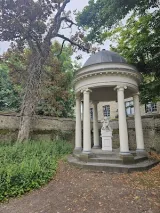
- Dans le jardin principal de l'Arentshof se trouvent deux colonnes provenant de l'ancienne Waterhalle sur la Grand-Place, ainsi qu'une œuvre d'art de Rik Poot intitulée "Les Quatre Cavaliers de l'Apocalypse" et une gloriette du XVIIIe siècle.
Jeux Coddy passant par ici
-
18
Arentshuis
Museums · 1h30
- Le Arentshuis est un musée abritant les Beaux-Arts du XVe au XXIe siècle.
- Le musée exposait l'oeuvre de l'artiste britannique-brugeois Frank Brangwyn, qui représentait des scènes réalistes de la vie industrielle et du travailleur.
- Des expositions d'art contemporain avaient lieu au rez-de-chaussée en complément de la collection Groeninge.
- En 2023, le musée a été fermé, mais la boutique du musée au rez-de-chaussée est restée ouverte.
© Wikimedia Commons
Jeux Coddy passant par ici
-
19
Musée Groeninge
Museums · 1h30
- Le Groeningemuseum est le musée des Beaux-Arts de la ville de Bruges, en Belgique.
- Fondé en 1930, le musée est situé sur la Dijver à Bruges.
- Le musée expose une collection étendue de six siècles d'art pictural flamand et belge.
- La collection comprend des œuvres des Primitifs flamands, du baroque, du néoclassicisme, du réalisme, du symbolisme belge, de l'expressionnisme flamand et de l'art belge moderne d'après-guerre.
© Wikimedia Commons
Jeux Coddy passant par ici
Détails pratiques pour visiter Bruges
Where to Stay
For a 2-day stay in Bruges, the best choice is usually somewhere close to the historic center, so you can move through the itinerary on foot without losing time. The area around the market square, the streets leading to Burg Square, and the canal-lined center are all practical options if you want to stay in the middle of the action. If you prefer a quieter feel, look a little farther from the busiest streets while staying within walking distance of the main sights.
Bruges has a good mix of accommodation types: small boutique hotels, guesthouses, apartments, and classic mid-range hotels. A room in a basic guesthouse can be the most economical choice, while boutique hotels in historic buildings often appeal to travelers who want a more atmospheric stay. For a comfort-focused trip, you’ll usually find stylish properties with canal views or well-kept historic interiors. Booking early matters, especially for weekends and holiday periods, because the center fills up fast.
As a rough guide, low-budget stays are often found in simple guesthouses or smaller hotels just outside the busiest streets. Mid-range travelers can expect a solid selection of comfortable hotels with good access to the center. For a more comfortable stay, look for refined rooms, larger spaces, and properties that make the most of Bruges’s older architecture. The city is compact enough that location matters more than anything else, so it’s worth choosing a place that keeps your walking days easy.
Getting Around
Bruges is one of those cities where walking is not just possible, it’s usually the best way to experience it. This itinerary is built for walking routes, and most of the key stops sit close enough together that you can move from one to the next without needing complicated transport. The city center is compact, and the pleasure of the trip comes from the in-between moments as much as the landmarks themselves.
There is local public transport, including buses, which can help if you’re staying farther out or want to save energy at the start or end of the day. Still, for the main itinerary, buses are more of a backup than a necessity. Taxis can also be useful for short transfers, but they’re not essential for this route. If you’re arriving by train, it’s usually easy to continue on foot or with a quick bus ride into the center.
Bike rental can work well if you’re comfortable cycling in a city with busy pedestrian areas and narrow streets, but for many visitors, walking feels simplest and most enjoyable. You’ll want to leave time for pauses, since Bruges is a city where the best details are often found by slowing down. In practical terms, this means comfortable shoes, a flexible pace, and enough time to wander between the main points rather than treating the itinerary like a checklist.
What to Pack
What you pack for Bruges depends on the season, but one thing stays the same: comfortable walking shoes are essential. The itinerary includes a lot of time on foot, and the city’s streets, squares, and canal edges are best enjoyed without worrying about sore feet. A light day bag is useful too, especially if you want room for a water bottle, a camera, or a small umbrella.
For spring and autumn, layers are the easiest solution. A light jacket or rain shell helps when the weather turns damp, and a sweater or long-sleeve top makes it easier to adjust during the day. In summer, bring breathable clothing, sunglasses, and something for light rain, since the weather can still change. In winter, choose warm layers, a heavier coat, gloves, and a scarf, especially if you plan to spend a lot of time outdoors between museums and cafés.
Rain protection is worth packing in any season. Bruges has a climate that can feel changeable, and even a short shower can interrupt a pleasant walk if you’re unprepared. If you like taking photos, a microfiber cloth for your lens or phone can also be handy. For museum visits and brewery stops, smart-casual clothing is usually enough. You don’t need to overpack, but it helps to be ready for weather shifts and lots of walking.
Advance Reservations
A 2-day Bruges trip can be managed quite smoothly, but a few things are worth reserving ahead of time. If you want a specific type of restaurant, especially for dinner in the center, it’s smart to book in advance. Popular places near the main squares or along the canal-side streets can fill up quickly, particularly on weekends and during busy travel periods. This is especially true if you want a relaxed meal without waiting.
Museums are another good thing to check ahead of time, even if some are easier to visit on the day. The itinerary includes several cultural stops, and it helps to know opening times and ticketing arrangements before you arrive. The same goes for attractions that may have timed entry or limited access. If you’re planning your day carefully, that small bit of preparation saves a lot of wandering.
If you want to include a special evening experience, book that early too. In a city like Bruges, the most pleasant visits often come from having just enough structure to avoid stress, while still leaving room for spontaneous pauses. You don’t need to lock down every hour, but reserving the key parts—dinner, selected museum entries, and any guided experiences—makes the trip feel smoother and more enjoyable.
Must-See Extras
If you have a little energy left beyond the main itinerary, Bruges rewards extra wandering. One of the nicest things to do is simply follow the canals and see how the city changes from one bridge to the next. The water adds a calm, reflective quality to even the busiest streets, and some of the best moments come when you step away from the main route for a few minutes.
You could also spend a bit more time around the less hurried parts of the center, especially near quieter streets and small squares. Bruges has a way of revealing details slowly, and the extra time can be used for a coffee break, a longer look at the architecture, or a casual stop in a local shop. If you enjoy interactive experiences, Coddy escape games can be a fun way to explore the city differently and add a playful layer to your Bruges stay.
Other worthwhile extras include a slow canal-side walk at dusk, a longer visit to a museum you particularly enjoy, or an unplanned detour through a side street that catches your eye. Bruges works best when you leave room for these small additions. The city doesn’t need a packed schedule to feel complete; it just needs a little time and curiosity.
Local Delights
Bruges is an easy city for eating well without making a big project out of it. The local food scene fits naturally into a day of walking, with simple stops, casual meals, and a few specialties that are especially worth trying. French fries are the obvious classic, and visiting the French Fries Museum in the middle of the itinerary makes the snack feel even more connected to the city.
It’s also a good place for chocolate, waffles, and hearty Belgian-style dishes that work well after a long day on foot. If you like beer, De Halve Maan brewery is a natural stop on Day 2 and adds a local flavor to the itinerary that goes beyond sightseeing. Around the markets and squares, you can often find easy lunch options, cafés, and small places that are good for a quick break between visits.
For a more atmospheric experience, look for a meal near the historic center and let the surroundings do part of the work. Bruges is not a city that needs elaborate dining to feel memorable. A good beer, a warm plate, or even a simple snack eaten while watching people pass through a square can be enough. The best approach is to keep things flexible and enjoy the food as part of the walking rhythm.
Quand partir à Bruges et combien ça coûte
Best Seasons
Bruges can be visited year-round, but spring and early autumn are especially pleasant for a two-day trip. The weather is often comfortable enough for walking, and the city feels well suited to being explored outdoors without too much pressure to rush between indoor stops. These seasons also work nicely for an itinerary that mixes squares, canals, museums, and quiet heritage spaces.
Summer brings longer days and a lively atmosphere, which is useful if you want to linger in cafés or stretch the itinerary out a bit. The tradeoff is that it can feel busier in the center. Winter has a more subdued character, which some travelers appreciate, especially if they like museums and atmospheric streets. It can also be a good time for a shorter, more contained city break, though you’ll want to dress warmly and plan for changing weather.
If your priority is a comfortable balance between walking and sightseeing, spring and autumn are the easiest choices. If you enjoy a more energetic city feel, summer may suit you better. Bruges is not a city that depends on a perfect season, but the experience changes noticeably with the weather and the level of activity in the streets.
Crowds
Bruges can feel very calm in the early morning and much busier in the middle of the day, especially around the most famous central areas. Since this itinerary starts with quieter stops and gradually moves toward the heart of the city, it works well for avoiding the most crowded moments. That early start is useful, particularly for places like Burg Square and the Belfry area later in the day.
Weekends tend to feel livelier, and holiday periods naturally bring more visitors into the center. If you prefer a softer pace, weekdays are usually easier, especially in the morning. Museums can also feel more comfortable early in the day, while lunch hours and late afternoon often bring more movement around the main squares and popular streets.
That said, Bruges rarely feels overwhelming in the same way as larger cities can. Even when it’s busy, the city’s layout helps the experience stay manageable. If you plan your day with a little flexibility, you can usually find quieter moments by stepping just a few streets away from the main routes. The best strategy is simple: start early, stop often, and save the most central areas for times when you don’t mind a bit more activity.
Budget estimatif
- Budget économique
- Budget option: Expect to focus on guesthouses or basic hotels, casual cafés, and simple museum visits. In a low-budget Bruges trip, walking is your best friend, and meals are best kept informal, with snacks, bakeries, or easy lunch spots. You can keep costs modest by choosing a centrally located but simple room and prioritizing the main sights over extras.
- Budget moyen
- Mid-range budget: This is the easiest balance for Bruges. A comfortable hotel or boutique guesthouse in or near the center, a mix of café meals and nicer dinners, and paid entries for the main museums and attractions fit well here. You’ll have enough room for a brewery stop, a good lunch, and a couple of pleasant splurges without overthinking every expense.
- Budget confort
- Comfort budget: A more relaxed Bruges trip might include a stylish hotel, canal-side or historic accommodation, reserved dining, and a few added experiences such as tastier meals, guided visits, or flexible transport when needed. This budget lets you enjoy the city at an easy pace, with time for better restaurants and the kind of stay that feels a little more polished.
Questions fréquentes sur votre séjour à Bruges
A Quiet, Satisfying Way to See Bruges
This 2-day Bruges itinerary works because it gives you structure without taking away the city’s natural rhythm. You start with heritage streets and historic squares, move through museums and market areas, then end with quieter cultural stops that let the experience settle. It’s a route that feels complete without being exhausting, and that matters in a city like Bruges, where the atmosphere is often the main reason to be there in the first place.
What I like about this plan is how it balances the familiar with the less obvious. You get the Belfry of Bruges, Burg Square, and the canal-lined center, but you also have time for places like Jan Van Eyck, Sashuis, and Dijver, which help the city feel more layered. It’s not just a sightseeing route; it’s a way to spend two days moving through Bruges in a way that still leaves space to notice things.
If you keep the pace gentle, book the important parts ahead of time, and leave yourself room for small pauses, Bruges tends to unfold in a very satisfying way. The city is compact, but it never feels flat. Even over a short stay, it has a way of staying with you after you leave.