




Je gaat de mooiste bezienswaardigheden van Bordeaux bezoeken
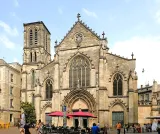
Twee dagen in Bordeaux: kuieren, ontdekkingen en gezond verstand
Vanaf Rue de la Vache beginnen met een reis door Bordeaux is het tempo van een stad aanvaarden die je uitnodigt om te wandelen. In twee dagen kun je het historische centrum doorgronden, de energie van de rivier voelen en verliefd worden op de kleine, met stenen geplaveide straatjes, de open pleinen en de uitzichten die zich bij elke stap onthullen. Deze route is ontworpen om wandelingen te combineren met gastronomische pauzes en de tijd om de architectuur van het iconische zonder te haasten te bewonderen.
De eerste dag dompelt je onder in het Hart van het Oude Bordeaux: doorgangen, pleinen en kerken waarin men met plezier verdwaalt. De tweede dag speelt met de complementariteit tussen kunst, winkelen en uitzichtpunten — van het operahuis tot de hoogten van de Tour Pey-Berland, zonder de lange Rue Sainte-Catherine te vergeten. Bij elke halte neem je de tijd om de gevels te observeren, naar de stad te luisteren en een kop koffie op een terras te kiezen.
Ik zal praktische referenties geven voor verblijf, verplaatsen en het reserveren van het belangrijkste, en je tegelijk off-the-beaten-path suggesties geven. Het doel is niet om alles te zien, maar om momenten te beleven die blijven hangen: een weerspiegeling op het Miroir d'eau, de uitstraling van een middeleeuwse poort en de hartelijkheid van een levendig plein. Neem je nieuwsgierigheid mee, een goed paar schoenen en de bereidheid om elke stap ten volle te beleven.
Deze gids is opgezet om tijdens de wandeling bruikbaar te zijn: opeenvolgende etappes die dicht bij elkaar liggen, opties als je liever vertraagt, en enkele lokale pareltjes om je passage wat op te fleuren. Klaar om door Bordeaux verrast te worden?
Praktisch overzicht: 2 dagen in Bordeaux
Dag 1 — Ochtend: Begin op de Rue de la Vache en wandel naar de Église Saint-Pierre en de charmante Rue Leupold, voordat je de Place de la Bourse bereikt en de Impasse Rue Neuve. Na een lunchpauze steek je over naar de Place du Parlement, ontdek de Oude kerk Saint-Rémi en laat je aantrekken door de Miroir d'eau en vervolgens door de majestueuze Porte Cailhau. Sluit de middag af bij de Saint-Siméon Kerk.
Dag 2 — Ochtend: Begin bij het Nationale Opera van Bordeaux, loop langs de Cours de l'Intendance en duik het Passage Sarget in, bezoek vervolgens de Église Notre-Dame en steek de Porte Dijeaux over. Na de lunch verken je het Palais Rohan, het Musée des Beaux-Arts, beklim je de Tour Pey-Berland voor het uitzicht, wandel je langs de voor het shoppen en eindig bij het middeleeuwse symbool van de stad, La Grosse Cloche.
Dag 1
10 etappes
Ochtend
-
1
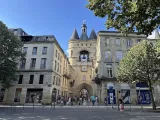
De Grote Bel
45 min
- Deze voormalige vestingpoort staat ook bekend als Porte Saint-Éloi en Porte Saint-James vanwege de ligging op de route naar Santiago de Compostela.
- Gebouwd in de 15e eeuw is het een van de weinige bewaard gebleven civiele middeleeuwse monumenten in Bordeaux.
- De Grosse Cloche werd gebruikt om de druivenoogst aan te geven en om de bevolking te waarschuwen bij brand.
- Het was een symbool van de stad en de inwoners waren er erg aan gehecht.
- In 1548 werd de klok verwijderd door koning Henri II om de inwoners te straffen voor hun opstand, maar in 1561 werd hij hersteld.
- Hij bestaat uit twee torens van 40 meter hoog die met elkaar verbonden zijn door een centraal gebouw.
- De huidige klok, gegoten in 1775, weegt 7.800 kg en werd tot 2016 bij bepaalde gelegenheden geluid.
- Nu luidt hij alleen nog op de eerste zondag van de maand.
Coddy-spellen die hier langskomen
-
2
Rue Sainte-Catherine
45 min
- Rue Sainte-Catherine is de belangrijkste winkelstraat van Bordeaux, Frankrijk, met een lengte van 1250 meter.
- Deze straat ligt in het stadscentrum en verbindt Place de la Victoire met Place de la Comédie. De straat is in 1984 omgebouwd tot autovrije straat en huisvest meer dan 250 winkels, waaronder Galeries Lafayette, Fnac, Apple Store en Decathlon.
- Het is de thuisbasis van de Galerie Bordelaise, een overdekte winkelgalerij en de overblijfselen van de voormalige Sainte-Catherine kapel.
- Historisch gezien was het het toneel van veldslagen, huisvestte het de Porte Médoc en residenties van beroemde persoonlijkheden zoals Montesquieu.
Coddy-spellen die hier langskomen
-
3
Impasse Rue Neuve
45 min
- Aan het einde van de doodlopende weg, aan de linkerkant, vlak voor de deur, staat het oudste huis van Bordeaux (12e of 13e eeuw).
- Boven zijn de twee ramen gotisch : fijne colonnetten, versieringen en spitsboog.
- In die tijd waren er geen ramen: men gebruikte hangers of houten panelen om de woning te isoleren.
- In die tijd waren er geen ramen: er werden gordijnen of houten panelen gebruikt om de woning te isoleren.
Coddy-spellen die hier langskomen
-
4
musée d'Aquitaine
Museums · 1h30
- Het Musée d'Aquitaine bewaart voorwerpen en documenten over de geschiedenis van Bordeaux en Aquitanië.
- De collecties omvatten meer dan 70.000 stukken en laten de geschiedenis van de regio zien.
- Ze omvatten ook Afrikaanse en Oceanische kunstwerken die verband houden met de havengeschiedenis van de stad.
- Het museum heeft collecties met betrekking tot de prehistorie, de protohistorie, de Romeinse tijd, de middeleeuwen, de moderne tijd, evenals de Atlantische handel en slavernij in de 18e eeuw.
- Het museum bewaart emblematische voorwerpen zoals de Venus van Laussel, stukken uit de Romeinse oudheid en overblijfselen van de Atlantische handel en slavernij.
© Wikimedia Commons
Coddy-spellen die hier langskomen
-
5
Kerk Saint-Paul-Saint-François-Xavier
Religion · 30 min


Middag
-
6
Paleis Rohan
45 min
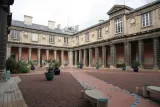
- Het paleis werd in 1771-1784 gebouwd voor het aartsbisdom en werd tot de Revolutie in 1789 gebruikt als hotel, daarna als zetel van het revolutionaire hof in 1791.
- In 1800 was de prefectuur er ondergebracht onder Napoleon I.
- In 1815 werd het een koninklijk paleis onder Lodewijk XVIII.
- In 1835 werd het Palais Rohan omgebouwd tot Hôtel de Ville.
- De tuin werd tijdens de Revolutie omgebouwd tot botanische tuin en huisvest tegenwoordig het Musée des Beaux-Arts.
© Wikimedia Commons
Coddy-spellen die hier langskomen
-
7
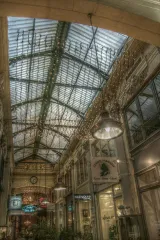
Passage Sarget
Landmark · 45 min
- Gebouwd in 1833, met een 19e-eeuws glazen dak, is het een van de twee overdekte doorgangen van Bordeaux, naast de Galerie Bordelaise.
- Gefinancierd door Jean-Auguste Sarget, een koopman uit Bordeaux, was deze doorgang aanvankelijk privé en werd in 1878 opengesteld voor het publiek.
© Wikimedia Commons
Coddy-spellen die hier langskomen
-
8
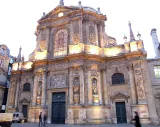
Kerk Notre-Dame
Religion · 30 min
- De kerk, gebouwd in 1684-1707, is een mix van barok en rococostijlen.
- De akoestiek is uitzonderlijk goed en er worden veel concerten gegeven.
- De barokke gevel is gebeeldhouwd met beelden van de eerste doctoren van de kerk.
- Het orgel is gebouwd in 1707 en gerestaureerd in 1982, en de orgelbouw staat op de lijst van historische monumenten.
© Wikimedia Commons
Coddy-spellen die hier langskomen
-
9
Toren Pey-Berland
45 min
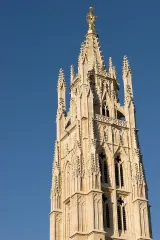
- De toren van Pey-Berland is de campanile (klokkentoren) van de kathedraal van Saint-André.
- Hij werd gebouwd tussen 1440 en 1500, op initiatief van de gelijknamige aartsbisschop.
- De toren wordt bekroond door een klokkentoren, is prachtig gebeeldhouwd en wordt bekroond door een verguld beeld van Notre-Dame d'Aquitaine en herbergt een drone van meer dan acht ton.
- Door de geïsoleerde ligging worden de trillingen van de klokken niet doorgegeven aan de kathedraal, die op moerassige grond is gebouwd.
- Tijdens de Revolutie verkocht als nationaal bezit, werd het omgebouwd tot een jachtloodfabriek en veevoederopslag.
- Het kreeg zijn status als religieus gebouw terug in 1851.
© Wikimedia Commons
Coddy-spellen die hier langskomen
-
10
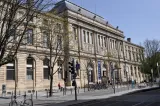
Museum van Schone Kunsten
Museums · 1h30
- Het museum werd opgericht in 1801 en ontstond uit de verdeling van werken van het Musée central des arts de la République.
- Het museum werd in 1821 verplaatst naar het stadhuis.
- Een brand in 1870 beschadigde de werken en het museum onderging architectonische aanpassingen.
- De Galerie des Beaux-Arts, gelegen aan de andere kant van het Cours d'Albret, werd in 1939 gebouwd voor tijdelijke tentoonstellingen.
© Wikimedia Commons
Coddy-spellen die hier langskomen

Dag 2
10 etappes
Ochtend
-
11
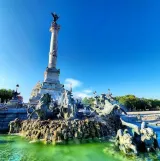
Monument voor de Girondijnen
45 min
- Het monument werd tussen 1894 en 1901 opgericht in Bordeaux om de Girondijnse afgevaardigden te eren die het slachtoffer waren geworden van de Terreur.
- De standbeelden die de afgevaardigden voorstellen zijn nooit voltooid.
- Een gedenkplaat met de namen van acht Girondijnse afgevaardigden werd in 1989 toegevoegd voor de tweehonderdste verjaardag van de bestorming van de Bastille.
- In 1944 werden de bronzen ornamenten van het monument verwijderd voor de mobilisatie van non-ferrometalen.
- Verschillende beeldengroepen stellen thema's voor zoals de triomf van de Republiek en Concord.
Coddy-spellen die hier langskomen
-
12
Place des Quinconces
Landmark · 45 min
- Het plein, dat in 1810-1828 werd aangelegd op de plek van het Château Trompette, staat bekend om de organisatie van evenementen zoals concerten en beurzen, waaronder de Foire aux plaisirs en de Foire d'Automne.
- De naam is afgeleid van de verspringende opstelling van de bomen die het plein oorspronkelijk sierden.
- In de 19e eeuw werd het plein aangelegd met uniforme halfronde gebouwen en rostraalkolommen.
- Het plein is versierd met monumentale standbeelden van Montaigne en Montesquieu.
- Het belangrijkste monument is het Girondins-monument, opgericht tussen 1894 en 1902 om de Girondijnse afgevaardigden te herdenken die het slachtoffer werden van de Terreur en om de Republiek te vieren.
© Wikimedia Commons
Coddy-spellen die hier langskomen
-
13
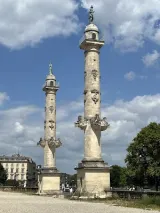
Colonnes rostrales
45 min
- Deze neoklassieke monumenten versierd met symbolen en allegorische beelden vertegenwoordigen de handel (Artemis) en de navigatie (Mercurius).
- Ze zijn 21 meter hoog en hebben een neoklassieke stijl.
- De zuilen herdenken zeeslagen en zegevierende zeecampagnes.
- Traditioneel werden rostrums van buitgemaakte schepen op de zuilen geplaatst.
- De originele beelden zijn gemaakt van terracotta en dateren uit 1828.
Coddy-spellen die hier langskomen
-
14
Rue Leupold
45 min
- Vroeger heette deze straat rue de la Vieille Corderie en sinds de 14e eeuw zijn hier touw- en nettenfabrikanten gevestigd.
- Deze straat getuigt van het historische belang van het havenverleden van Bordeaux.
Coddy-spellen die hier langskomen
-
15
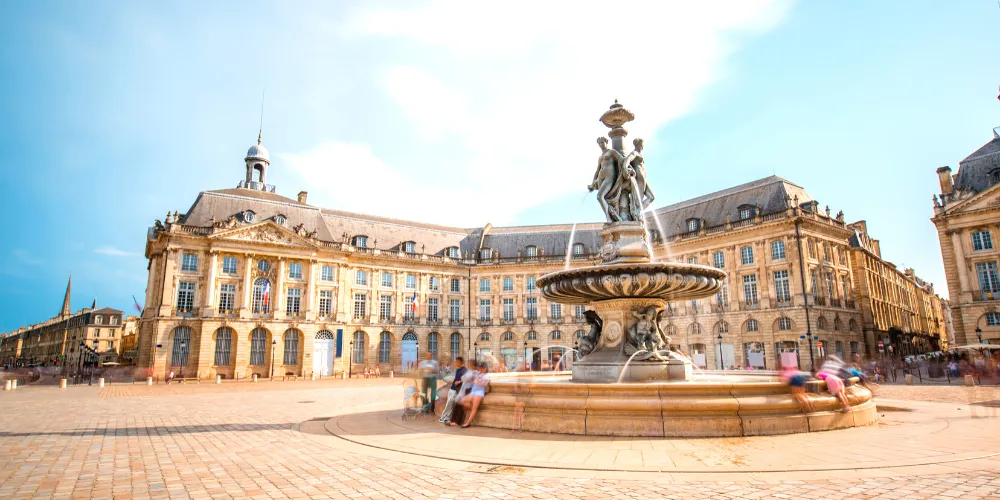
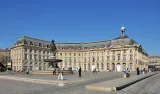
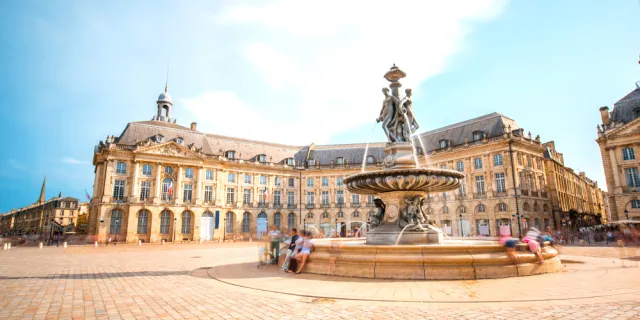
Place de la Bourse
45 min
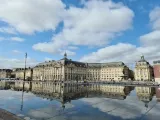
- Het plein werd aangelegd in 1730-1755 en is een opmerkelijk voorbeeld van 18e-eeuwse Franse klassieke architectuur.
- Het wordt begrensd door het Palais de la Bourse en het Hôtel des Douanes, die hun rol als kamer van koophandel en douaneadministratie behouden.
- De naam van het plein is afhankelijk van de politieke regimes veranderd: van Place Royale naar Place de la Liberté, Place Impériale en uiteindelijk Place de la Bourse.
- Een waterspiegel, de grootste ter wereld, en de Fontaine des Trois Grâces zijn ook aanwezig op het plein.
Coddy-spellen die hier langskomen

Middag
-
16
Beursgebouw
Historic architecture · 45 min
- Het paleis staat ook bekend als Hôtel de la Bourse.
- De Kamer van Koophandel en de Handelsrechtbank zijn er nog steeds gevestigd, maar de beurs is in 1990 gesloten.
- Het doet ook dienst als congresruimte, waar elk jaar ongeveer 150 evenementen plaatsvinden.
- Het is gebouwd in 1742-1749 en maakt deel uit van het architectonische ensemble van de Place de la Bourse.
- Twee branden, in 1925 en tijdens de Tweede Wereldoorlog, hebben een deel van de archieven van de Handelsrechtbank beschadigd.
© Wikimedia Commons
Coddy-spellen die hier langskomen
-
17
Oude Saint-Rémi kerk
Religion · 30 min
- De kerk werd in de 14e en 16e eeuw gebouwd in een gotische stijl, dicht bij een Romeinse muur, mogelijk op de plaats van een oude tempel gewijd aan Jupiter.
- De kerk heeft een langwerpig plan, met twee grote schepen, veelhoekige absiden en smalle lagere schepen.
- In 1866 werd er een nieuwe kerk gebouwd, Saint-Rémi de la Vigne, ter vervanging van het oude godshuis, met een basilicale plattegrond en een sobere gevel.
- Onder de zuidelijke zijbeuk en absis bevinden zich kelders en graftombes waarin leden van oude families uit Bordeaux wonen.
- Sinds 1998 is de kerk gerestaureerd tot Espace Saint-Rémi, een cultureel centrum voor tentoonstellingen en artistieke evenementen.
© Wikimedia Commons
Coddy-spellen die hier langskomen
-
18
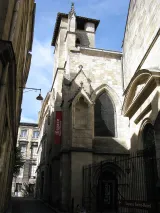
St. Simon's Kerk
Religion · 30 min
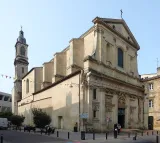
- Gebouwd tussen de 14e en 17e eeuw, is in het voormalige schip een kapel in renaissancestijl bewaard gebleven.De kerk wordt omringd door recentere civiele gebouwen, die de chevet aan de oostkant en de voorgevel aan de westkant absorberen.
- Na de Franse Revolutie werd het gebouw niet meer gebruikt en kreeg het verschillende bestemmingen.
- In de 19e eeuw was er een marineschool gevestigd voor kinderen uit de arbeiderswijken van de haven.
- Later werd het gebruikt als conservenfabriek, met name voor sardines.
- In de 20e eeuw werd het een autogarage van Axial en vervolgens een parkeerplaats.
- In 1999 werd de Utopia-bioscoop geopend op de plaats van de voormalige kerk.
© Wikimedia Commons
Coddy-spellen die hier langskomen
-
19
De Koe (Vache) straat
45 min
- Dit steegje is een van de smalste in het oude stadscentrum van Bordeaux.
- Het is rijk aan legendes en ontleent zijn naam aan verschillende mogelijke bronnen.
- Onduidelijke oorsprong van de naam, sommigen verwijzen naar een nabijgelegen veemarkt. Smalle steeg, er wordt gezegd dat er maar één koe tegelijk door kan.
Coddy-spellen die hier langskomen
-
20
Sint-Pieterskerk
Religion · 30 min
- De kerk werd oorspronkelijk gebouwd in de buurt van de samenvloeiing van de Devèze en de Garonne, en de locatie duidt op haar rol als havenkerk.
- In oude teksten wordt het bestaan van de kerk al in 1173 in een vroege versie genoemd.
- In de middeleeuwen groeide de buurt rond de kerk vanwege de nabijheid van het hertogelijke kasteel de l'Ombrière.
- De kerk werd herbouwd op aandringen van paus Clemens V uit 1358, en vervolgens opnieuw in de 15e eeuw.
- Een gebrandschilderd raam in het koor toont een witte koningin met geketende slaven, gemaakt door Joseph Villiet rond 1860.
© Wikimedia Commons
Coddy-spellen die hier langskomen

Praktische details voor een bezoek aan Bordeaux
Waar verblijven
Voor twee dagen in Bordeaux kun je het beste kiezen voor het historische centrum: gouden driehoek rondom de Cours de l'Intendance, de wijk Saint-Pierre voor de middeleeuwse sfeer, of het gebied Chartrons als je een rustigere en trendy buurt wilt. Hotels variëren van charmante kleine hotelletjes en gezellige chambres d'hôtes tot goed gelegen 4-sterren accommodaties. Verwacht variabele prijzen: in het laagseizoen kunnen eenvoudige kamers laag beginnen, terwijl in het hoogseizoen de tarieven aanzienlijk stijgen. Voor een goede balans ga je naar een middenklasse hotel in het centrum: nabijheid van bezienswaardigheden, comfort en toegankelijkheid tot het vervoer zijn essentieel.
Als je liever onafhankelijkheid hebt, biedt een huurwoning meer ruimte en de mogelijkheid om de tijden van toeristische maaltijden te vermijden. Voor een vlot tempo kies je een pied-à-terre op minder dan 15 minuten lopen van Place de la Bourse: je zit midden in de route en kunt gemakkelijk terugkeren om uit te rusten tussen twee bezoeken. Reserveer van tevoren in het weekend of bij lokale evenementen om de beste aanbiedingen te krijgen.
Verplaatsen
Bordeaux is ideaal te voet door het centrum te verkennen: veel van de sites uit deze route liggen dicht bij elkaar, waardoor wandelen de aangenaamste manier is om de stad te voelen. Voor langere afstanden is het trams- en busnetwerk handig; zoek de lijnen die de centrale punten rondom de Cours de l'Intendance en de Place de la Bourse bedienen. Fietsen is een uitstekende optie: talrijke vrij-stand-stations en veilige fietspaden maken verplaatsingen gemakkelijk. Denk aan een lokale app om een scooter of fiets in het openbaar te huren als je tijd wilt winnen.
Als je met de trein aankomt, is het station goed verbonden met het centrum en brengen meerdere bus- en tramlijnen je er naartoe. Voor incidentele reizen buiten het centrum zijn taxi's en VTC-diensten nog steeds beschikbaar. Plan tenslotte altijd wat speling in voor avondritten of spitsuren; flexibiliteit is je beste bondgenoot om zonder stress te genieten.
Wat meenemen
Het Bordeaux-klimaat varieert per seizoen, maar enkele essentials blijven het hele jaar door nuttig: een paar comfortabele schoenen om op klinkers en trottoirs te lopen, een lichte regenjas of winddichte jas, en een compacte tas om fles water, reisgids en aankopen te dragen. In de zomer: hoed, bril en zonnebrandcrème; in voorjaar of herfst: een warme laagjesjas is handig om temperatuurswisselingen te beheersen. Als je van plan bent de Tour Pey-Berland te beklimmen of lange bezoeken te doen, neem dan een kleine snack en een externe batterij voor je telefoon mee.
Voor de avond volstaat een casual-chique outfit in de meeste restaurants en cafés in het centrum. Vergeet praktische items niet: een vervoerskaart of app, en een kopie van je reserveringen. Tot slot kan een compacte paraplu een dag redden als het weer grillig wordt.
Reserveringen van tevoren
Voor een ontspannen verblijf, reserveer van tevoren de volgende zaken: accommodaties in het centrum tijdens de drukke periodes, populaire rondleidingen en skip-the-line tickets voor sommige musea als je wachttijden wilt vermijden. Voor avondvoorstellingen in het Nationale Opera van Bordeaux kun je het beste je kaarten op voorhand kopen, evenals voor specifieke concerten of voorstellingen.
Wat betreft eten, sommige populaire adressen in het centrum vereisen reservering vooral in het weekend; denk eraan een tafel te reserveren op de gewenste tijdstippen. Voor specifieke activiteiten — rondleidingen langs wijngaarden op een dag of thematische ervaringen — zorgt een voorafgaande reservering voor beschikbaarheid en organisatie. Tot slot, als je met een groep reist, anticipeer op de reservering van transport en toegangskaarten om teleurstellingen te voorkomen.
Extras om niet te missen
Naast het hoofdprogramma biedt Bordeaux enkele omwegen die extra pit geven aan het bezoek: een wandeling langs de kades om de stad vanuit de rivier te zien, een pauze bij schuren omgevormd tot culturele plaatsen, of een omweg naar de minder bezochte straatjes rond Carmes. Voor liefhebbers van stedelijke puzzels en collectieve geest, denk aan de escape games urbains van Coddy die speelse parcours door de stad aanbieden — een originele manier om wijken te ontdekken door raadsels op te lossen.
Andere ideeën: lokale kunstgalerijen bezoeken, dolen op buurtmarkten afhankelijk van de dag, of een wijnproeverij in een onafhankelijke wijnbar uitproberen. Deze extras bieden een andere kijk op Bordeaux, intenser en vaak verrassender dan de klassieke routes. Houd een paar vrije uren over voor deze onverwachte ontdekkingen.
Lokale lekkernijen
Bordeaux is een stad waar men goed eet: zoek de bistro's die eenvoudige en smakelijke regionale gerechten serveren. Mis de zeeproducten, lokale kazen en gebak bij de ambachtslieden in het centrum niet. De overdekte markt van de stad is een goede plek om verse producten te proeven en met lokale producenten te praten. De wijnbars bloeien en bieden een uitstekende manier om de wijnen uit de regio te ontdekken, vaak per glas op de kaart.
Qua zoetigheid, laat je verleiden door een lokale patisserie in een winkel in het centrum en vergezelt het van een koffie. De kleine delicatessenzaken en wijnhandelaren bieden plankjes om te delen die perfect passen bij de pauzes tussen bezoeken. Voor een echte onderdompeling kies je een lunch in een brasserie die drukbezocht wordt door de Bordelais en eindig met een digestieve wandeling naar het Miroir d'eau of het Parlementplein.
Wanneer Bordeaux bezoeken en hoeveel het kost
Beste seizoenen
De lente en de herfst zijn vaak de prettigste perioden om Bordeaux te bezoeken: zachte temperaturen, aangename lichtval en een minder zware sfeer dan in de zomer. De lente brengt langere dagen en wijken die weer tot leven komen, terwijl de herfst kleuren biedt en een sfeer die ideaal is voor wandelingen. De zomer trekt meer toeristen aan en de straten kunnen drukker zijn; ideaal als je van drukte houdt maar minder als je van rust houdt.
Winters blijven mogelijk voor een culturele en goedkopere reis, met vaak aantrekkelijkere accommodatie-aanbiedingen, maar houd rekening met kortere dagen en wat onaangenaam weer. Afhankelijk van jouw prioriteiten — klimaat, prijs of evenementen — kun je de periode kiezen die het beste bij je past. Als een lokaal evenement je aantrekt, reserveer dan vroeg om je plek te verzekeren.
Drukte
Bordeaux kent schommelingen in drukte: de zomermaanden en sommige langere weekenden zijn het drukst, vooral rond iconische plekken zoals Place de la Bourse, Miroir d'eau en Rue Sainte-Catherine. Doordeweeks buiten schoolvakanties is de stad aanzienlijk rustiger en kun je de bezienswaardigheden met meer rust bezoeken. De ochtenden zijn vaak rustiger; geef dit tijdstip de voorkeur voor populaire sites.
Als je op zoek bent naar een intieme ervaring, plan je bezoeken vroeg in de ochtend of laat in de middag, en vermijd de zeer toeristische lunchtijden. Voor attracties die op afspraak zijn (museum, operahuis), controleer openingstijden en sluitingsdagen om je verplaatsingen te optimaliseren.
Geschat budget
- Budget reizen
- Economisch budget: Voor twee dagen, houd je aan een strak budget door te kiezen voor een jeugdherberg of een kamer bij een gastgezin, eenvoudige maaltijden (broodjes, markten, kleine bistro's) en te voet of met het openbaar vervoer te reizen. Schat de belangrijkste uitgaven voor betaalbare accommodatie, twee bescheiden hoofdmaaltijden per dag en een paar tram-/buskaartjes. Buitenactiviteiten en de meeste wandelingen blijven goedkoop.
- Middenklasse budget
- Gemiddeld budget: Kies voor een goed gelegen 2-3 sterrenhotel, enkele wijkrestaurants voor lunch en diner, enkele betaalde bezoeken (museum, rondleiding), en af en aan het gebruik van een taxi of VTC. Dit budget biedt meer comfort, kwaliteitsvolle eetpauzes en de vrijheid om een betaalde activiteit te reserveren zoals een rondleiding of proeverij.
- Comfort budget
- Comfortbudget: Voorzien een 4-sterrenhotel of boetiekhotel, eten bij goede adressen, reserveringen in het operahuis of voor privé-ervaringen (proeverij, rondleiding), en flexibel vervoer met taxi of korte-fietshuur. Deze niveau stelt je in staat om volop te genieten zonder concessies, met de mogelijkheid om kwaliteitsvolle aankopen en souvenirs te doen.
Veelgestelde vragen over uw verblijf in Bordeaux
Klaar voor Bordeaux in 48 uur?
Deze twee dagen in Bordeaux bieden een condensatie van emoties: de zachte straten, de plechtigheid van de oude poorten, de levendigheid van de pleinen en de belofte van een royale gastronomie. Het traject begint bij de Rue de la Vache en eindigt bij de symbolische La Grosse Cloche, waardoor je verschillende sferen kunt ervaren en de stad bij elke stap voelt. Neem de tijd om de kleine dingen te waarderen: een weerspiegeling op het water, een uitgesneden façade of een wijn die je op een terras deelt.
Als je een halve dag extra hebt, laat je leiden door de wens: musea, galeries, een wijnproeverij of een wandeling langs de kades zullen deze twee dagen perfect aanvullen. Deel je ontdekkingen, kom terug naar de plaatsen die je geraakt hebben en noteer de adressen die je wilt bewaren voor een volgend bezoek. Veel plezier en mooie wandelingen in Bordeaux — laat elke straat je iets nieuws vertellen.